Accountprotection Microsoft Com Legit
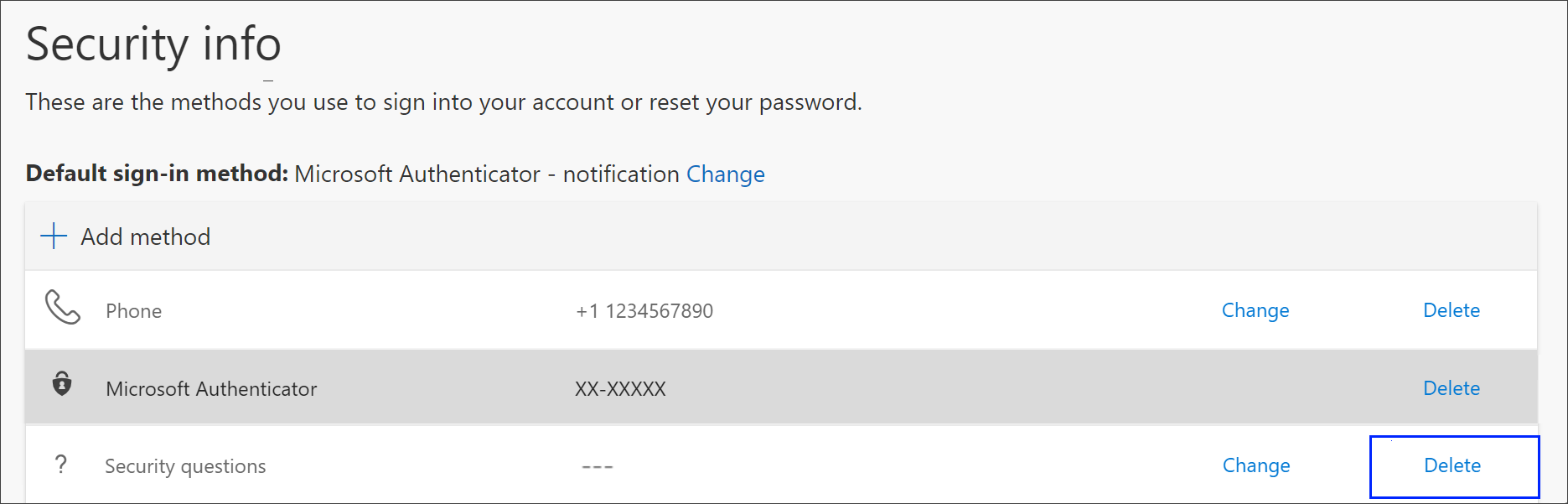
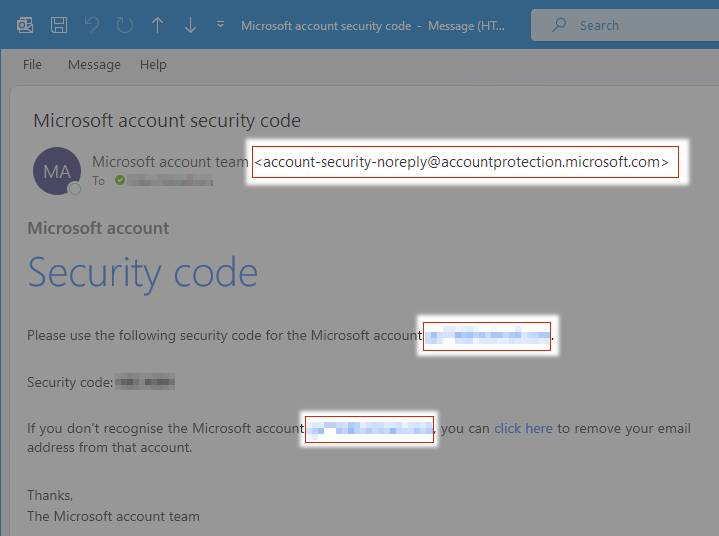
Accountprotection Microsoft Com Legit - In conclusion, while the email from noreply@accountprotection.microsoft.com may appear to be a legitimate account. Microsoft will not randomly send you a code to secure your account, similar to how it'll never message you asking for. The address you mention is a legitimate microsoft address but that doesn't guarantee that a message with that from. Emails from accountprotection.microsoft.com are generally legitimate. Microsoft uses this official domain to send. According to microsoft’s official support page on email trustworthiness, the domain @accountprotection.microsoft.com. Seeing a sender ending in @accountprotection.microsoft.com is a strong sign the email can be a real microsoft. Consumers are reporting a surge in scam emails that appear to come from microsoft, warning recipients of serious. If you get an email from microsoft account team and the email address domain is @accountprotection.microsoft.com, it is safe to. Seeing a sender ending in @accountprotection.microsoft.com is a strong sign the email can be a real microsoft. Consumers are reporting a surge in scam emails that appear to come from microsoft, warning recipients of serious. Emails from accountprotection.microsoft.com are generally legitimate. The address you mention is a legitimate microsoft address but that doesn't guarantee that a message with that from.. Seeing a sender ending in @accountprotection.microsoft.com is a strong sign the email can be a real microsoft. Microsoft uses this official domain to send. Emails from accountprotection.microsoft.com are generally legitimate. In conclusion, while the email from noreply@accountprotection.microsoft.com may appear to be a legitimate account. If you get an email from microsoft account team and the email address domain is @accountprotection.microsoft.com,. In conclusion, while the email from noreply@accountprotection.microsoft.com may appear to be a legitimate account. Seeing a sender ending in @accountprotection.microsoft.com is a strong sign the email can be a real microsoft. Consumers are reporting a surge in scam emails that appear to come from microsoft, warning recipients of serious. The address you mention is a legitimate microsoft address but that. Seeing a sender ending in @accountprotection.microsoft.com is a strong sign the email can be a real microsoft. According to microsoft’s official support page on email trustworthiness, the domain @accountprotection.microsoft.com. Microsoft will not randomly send you a code to secure your account, similar to how it'll never message you asking for. In conclusion, while the email from noreply@accountprotection.microsoft.com may appear to. If you get an email from microsoft account team and the email address domain is @accountprotection.microsoft.com, it is safe to. Seeing a sender ending in @accountprotection.microsoft.com is a strong sign the email can be a real microsoft. Microsoft uses this official domain to send. Microsoft will not randomly send you a code to secure your account, similar to how it'll. The address you mention is a legitimate microsoft address but that doesn't guarantee that a message with that from. Consumers are reporting a surge in scam emails that appear to come from microsoft, warning recipients of serious. Emails from accountprotection.microsoft.com are generally legitimate. According to microsoft’s official support page on email trustworthiness, the domain @accountprotection.microsoft.com. In conclusion, while the email. In conclusion, while the email from noreply@accountprotection.microsoft.com may appear to be a legitimate account. Microsoft will not randomly send you a code to secure your account, similar to how it'll never message you asking for. According to microsoft’s official support page on email trustworthiness, the domain @accountprotection.microsoft.com. If you get an email from microsoft account team and the email address. Consumers are reporting a surge in scam emails that appear to come from microsoft, warning recipients of serious. Microsoft will not randomly send you a code to secure your account, similar to how it'll never message you asking for. According to microsoft’s official support page on email trustworthiness, the domain @accountprotection.microsoft.com. Seeing a sender ending in @accountprotection.microsoft.com is a strong. Consumers are reporting a surge in scam emails that appear to come from microsoft, warning recipients of serious. According to microsoft’s official support page on email trustworthiness, the domain @accountprotection.microsoft.com. Microsoft will not randomly send you a code to secure your account, similar to how it'll never message you asking for. Seeing a sender ending in @accountprotection.microsoft.com is a strong. Seeing a sender ending in @accountprotection.microsoft.com is a strong sign the email can be a real microsoft. Emails from accountprotection.microsoft.com are generally legitimate. In conclusion, while the email from noreply@accountprotection.microsoft.com may appear to be a legitimate account. The address you mention is a legitimate microsoft address but that doesn't guarantee that a message with that from. Microsoft uses this official. Seeing a sender ending in @accountprotection.microsoft.com is a strong sign the email can be a real microsoft. Emails from accountprotection.microsoft.com are generally legitimate. In conclusion, while the email from noreply@accountprotection.microsoft.com may appear to be a legitimate account. The address you mention is a legitimate microsoft address but that doesn't guarantee that a message with that from. According to microsoft’s official. Microsoft will not randomly send you a code to secure your account, similar to how it'll never message you asking for. Microsoft uses this official domain to send. If you get an email from microsoft account team and the email address domain is @accountprotection.microsoft.com, it is safe to. The address you mention is a legitimate microsoft address but that doesn't. If you get an email from microsoft account team and the email address domain is @accountprotection.microsoft.com, it is safe to. Microsoft uses this official domain to send. Emails from accountprotection.microsoft.com are generally legitimate. In conclusion, while the email from noreply@accountprotection.microsoft.com may appear to be a legitimate account. According to microsoft’s official support page on email trustworthiness, the domain @accountprotection.microsoft.com. In conclusion, while the email from noreply@accountprotection.microsoft.com may appear to be a legitimate account. Microsoft uses this official domain to send. The address you mention is a legitimate microsoft address but that doesn't guarantee that a message with that from. Consumers are reporting a surge in scam emails that appear to come from microsoft, warning recipients of serious. Emails from. Emails from accountprotection.microsoft.com are generally legitimate. In conclusion, while the email from noreply@accountprotection.microsoft.com may appear to be a legitimate account. Consumers are reporting a surge in scam emails that appear to come from microsoft, warning recipients of serious. Seeing a sender ending in @accountprotection.microsoft.com is a strong sign the email can be a real microsoft. Microsoft will not randomly send. Emails from accountprotection.microsoft.com are generally legitimate. Microsoft will not randomly send you a code to secure your account, similar to how it'll never message you asking for. In conclusion, while the email from noreply@accountprotection.microsoft.com may appear to be a legitimate account. According to microsoft’s official support page on email trustworthiness, the domain @accountprotection.microsoft.com. If you get an email from microsoft. If you get an email from microsoft account team and the email address domain is @accountprotection.microsoft.com, it is safe to. Consumers are reporting a surge in scam emails that appear to come from microsoft, warning recipients of serious. Microsoft will not randomly send you a code to secure your account, similar to how it'll never message you asking for. Emails. The address you mention is a legitimate microsoft address but that doesn't guarantee that a message with that from. Emails from accountprotection.microsoft.com are generally legitimate. Microsoft uses this official domain to send. Microsoft will not randomly send you a code to secure your account, similar to how it'll never message you asking for. If you get an email from microsoft. Emails from accountprotection.microsoft.com are generally legitimate. Microsoft uses this official domain to send. Seeing a sender ending in @accountprotection.microsoft.com is a strong sign the email can be a real microsoft. The address you mention is a legitimate microsoft address but that doesn't guarantee that a message with that from. Consumers are reporting a surge in scam emails that appear to. According to microsoft’s official support page on email trustworthiness, the domain @accountprotection.microsoft.com. The address you mention is a legitimate microsoft address but that doesn't guarantee that a message with that from. Microsoft will not randomly send you a code to secure your account, similar to how it'll never message you asking for. Microsoft uses this official domain to send. Consumers. Consumers are reporting a surge in scam emails that appear to come from microsoft, warning recipients of serious. The address you mention is a legitimate microsoft address but that doesn't guarantee that a message with that from. According to microsoft’s official support page on email trustworthiness, the domain @accountprotection.microsoft.com. Microsoft will not randomly send you a code to secure your. The address you mention is a legitimate microsoft address but that doesn't guarantee that a message with that from. In conclusion, while the email from noreply@accountprotection.microsoft.com may appear to be a legitimate account. According to microsoft’s official support page on email trustworthiness, the domain @accountprotection.microsoft.com. Microsoft will not randomly send you a code to secure your account, similar to how. Seeing a sender ending in @accountprotection.microsoft.com is a strong sign the email can be a real microsoft. Consumers are reporting a surge in scam emails that appear to come from microsoft, warning recipients of serious. Microsoft uses this official domain to send. Emails from accountprotection.microsoft.com are generally legitimate. According to microsoft’s official support page on email trustworthiness, the domain @accountprotection.microsoft.com. If you get an email from microsoft account team and the email address domain is @accountprotection.microsoft.com, it is safe to. Seeing a sender ending in @accountprotection.microsoft.com is a strong sign the email can be a real microsoft. Microsoft will not randomly send you a code to secure your account, similar to how it'll never message you asking for. Microsoft uses. The address you mention is a legitimate microsoft address but that doesn't guarantee that a message with that from. If you get an email from microsoft account team and the email address domain is @accountprotection.microsoft.com, it is safe to. Seeing a sender ending in @accountprotection.microsoft.com is a strong sign the email can be a real microsoft. Emails from accountprotection.microsoft.com are. Seeing a sender ending in @accountprotection.microsoft.com is a strong sign the email can be a real microsoft. If you get an email from microsoft account team and the email address domain is @accountprotection.microsoft.com, it is safe to. The address you mention is a legitimate microsoft address but that doesn't guarantee that a message with that from. Microsoft uses this official. Emails from accountprotection.microsoft.com are generally legitimate. In conclusion, while the email from noreply@accountprotection.microsoft.com may appear to be a legitimate account. Microsoft will not randomly send you a code to secure your account, similar to how it'll never message you asking for. Seeing a sender ending in @accountprotection.microsoft.com is a strong sign the email can be a real microsoft. According to. Seeing a sender ending in @accountprotection.microsoft.com is a strong sign the email can be a real microsoft. According to microsoft’s official support page on email trustworthiness, the domain @accountprotection.microsoft.com. Emails from accountprotection.microsoft.com are generally legitimate. Microsoft will not randomly send you a code to secure your account, similar to how it'll never message you asking for. Microsoft uses this official. Microsoft uses this official domain to send. Consumers are reporting a surge in scam emails that appear to come from microsoft, warning recipients of serious. Emails from accountprotection.microsoft.com are generally legitimate. According to microsoft’s official support page on email trustworthiness, the domain @accountprotection.microsoft.com. Microsoft will not randomly send you a code to secure your account, similar to how it'll never. According to microsoft’s official support page on email trustworthiness, the domain @accountprotection.microsoft.com. Microsoft uses this official domain to send. The address you mention is a legitimate microsoft address but that doesn't guarantee that a message with that from. Seeing a sender ending in @accountprotection.microsoft.com is a strong sign the email can be a real microsoft. Consumers are reporting a surge. Seeing a sender ending in @accountprotection.microsoft.com is a strong sign the email can be a real microsoft. Emails from accountprotection.microsoft.com are generally legitimate. Microsoft will not randomly send you a code to secure your account, similar to how it'll never message you asking for. Consumers are reporting a surge in scam emails that appear to come from microsoft, warning recipients. The address you mention is a legitimate microsoft address but that doesn't guarantee that a message with that from. Emails from accountprotection.microsoft.com are generally legitimate. If you get an email from microsoft account team and the email address domain is @accountprotection.microsoft.com, it is safe to. In conclusion, while the email from noreply@accountprotection.microsoft.com may appear to be a legitimate account. Consumers. If you get an email from microsoft account team and the email address domain is @accountprotection.microsoft.com, it is safe to. Microsoft will not randomly send you a code to secure your account, similar to how it'll never message you asking for. Microsoft uses this official domain to send. Consumers are reporting a surge in scam emails that appear to come. Seeing a sender ending in @accountprotection.microsoft.com is a strong sign the email can be a real microsoft. Consumers are reporting a surge in scam emails that appear to come from microsoft, warning recipients of serious. In conclusion, while the email from noreply@accountprotection.microsoft.com may appear to be a legitimate account. Microsoft uses this official domain to send. According to microsoft’s official. Emails from accountprotection.microsoft.com are generally legitimate. If you get an email from microsoft account team and the email address domain is @accountprotection.microsoft.com, it is safe to. Seeing a sender ending in @accountprotection.microsoft.com is a strong sign the email can be a real microsoft. Consumers are reporting a surge in scam emails that appear to come from microsoft, warning recipients of. Consumers are reporting a surge in scam emails that appear to come from microsoft, warning recipients of serious. Seeing a sender ending in @accountprotection.microsoft.com is a strong sign the email can be a real microsoft. According to microsoft’s official support page on email trustworthiness, the domain @accountprotection.microsoft.com. The address you mention is a legitimate microsoft address but that doesn't guarantee that a message with that from. In conclusion, while the email from noreply@accountprotection.microsoft.com may appear to be a legitimate account. Emails from accountprotection.microsoft.com are generally legitimate. Microsoft will not randomly send you a code to secure your account, similar to how it'll never message you asking for.Set up security questions as your verification method Microsoft Support
Is Safe or a

Mastering Windows Hello for Business Your Ultimate Deployment Guide
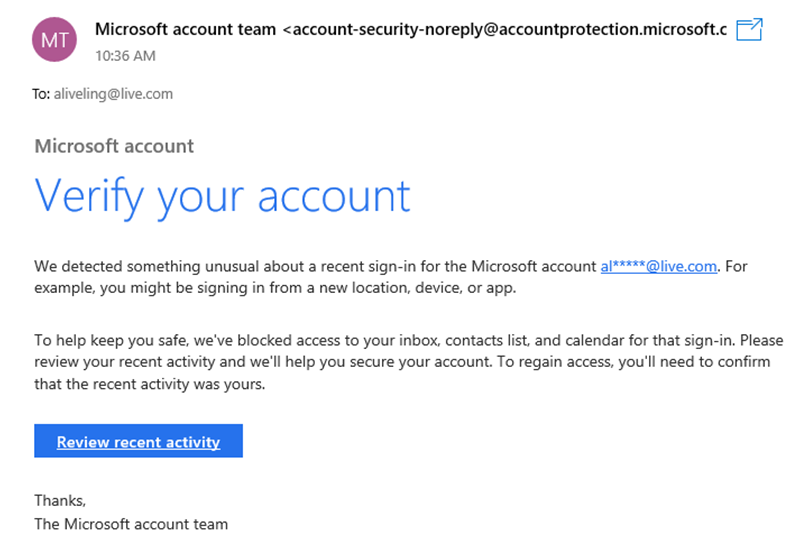
Phishing Examples Spam What Is Spam Dia.govt.nz
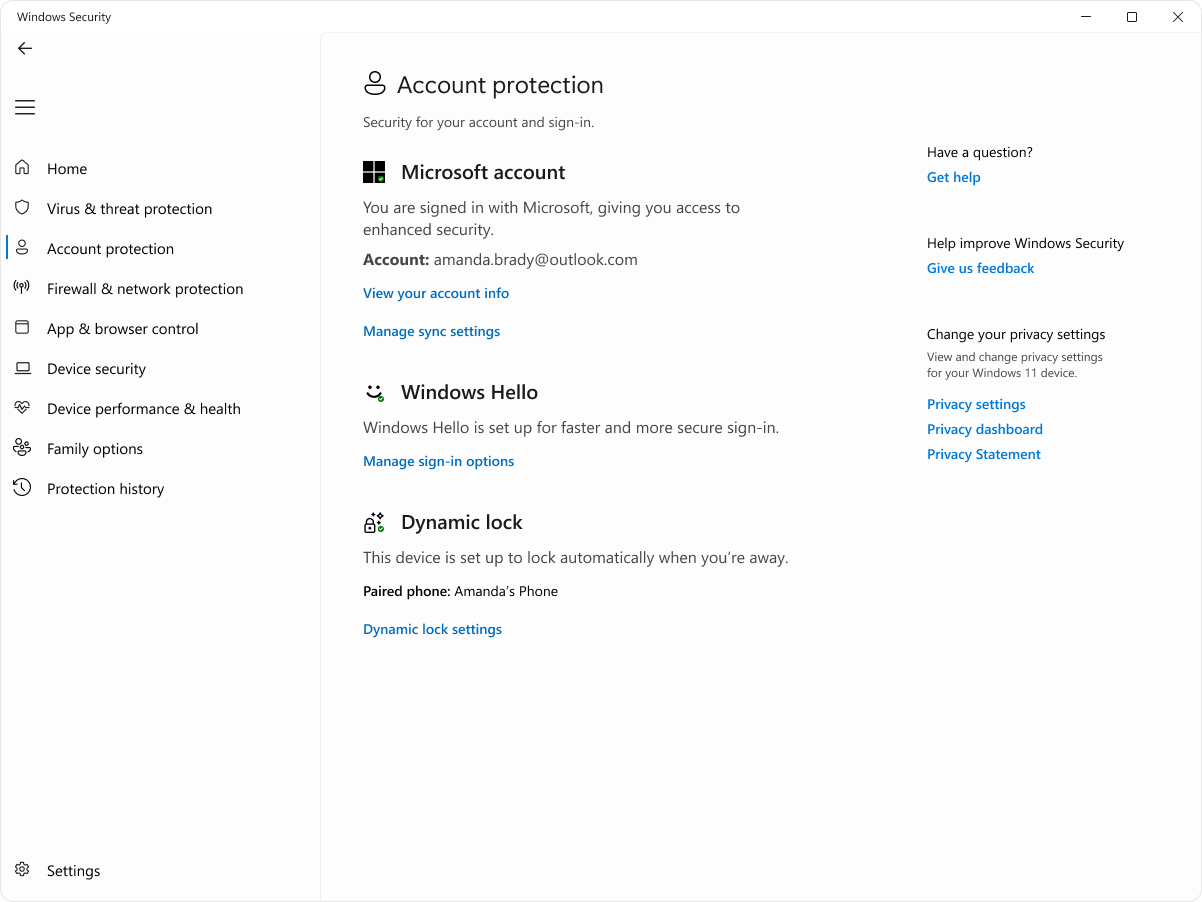
Account Protection in the Windows Security App Microsoft Support
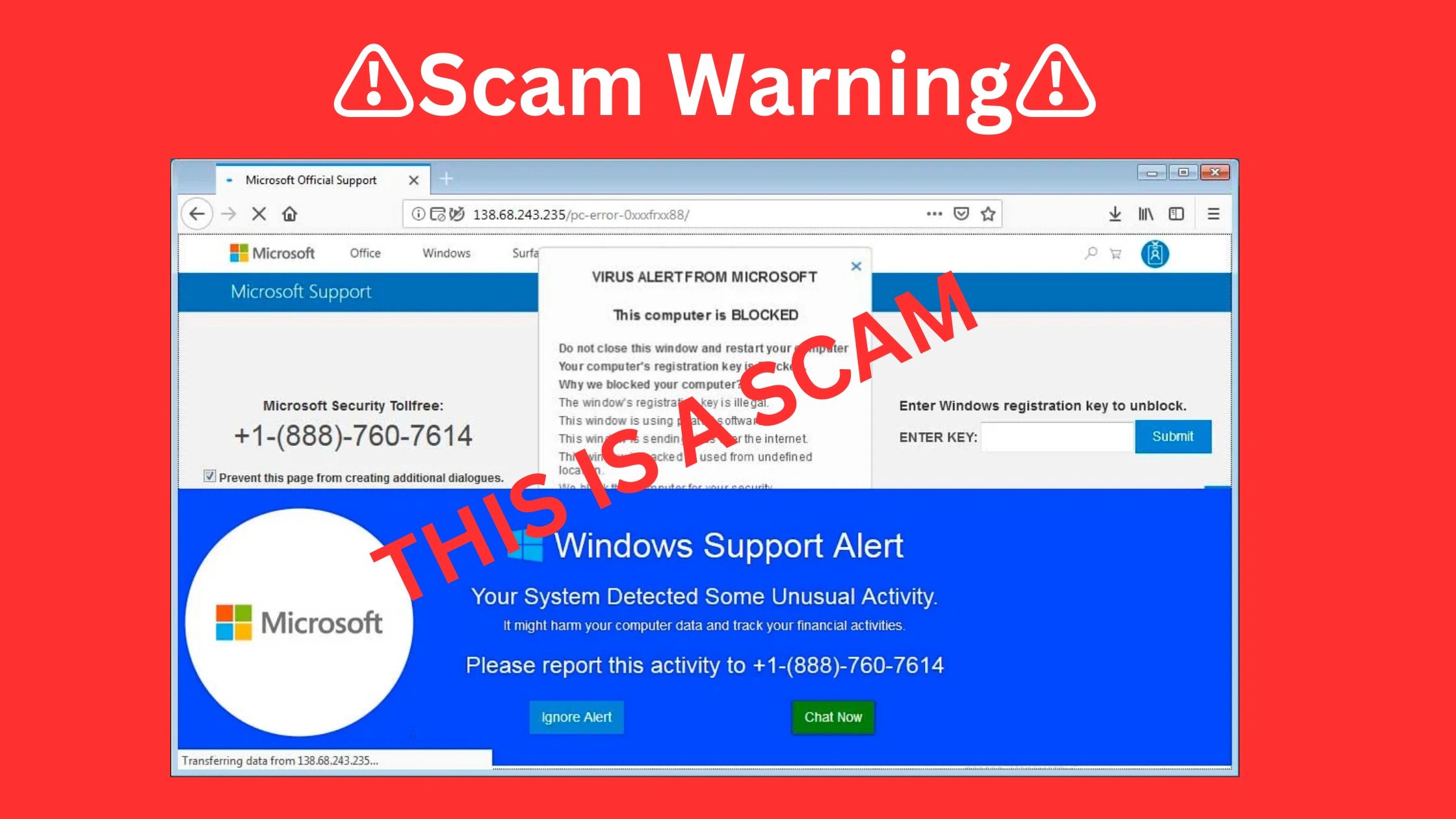
Beware of the Microsoft Security Scam Protect Yourself Today!
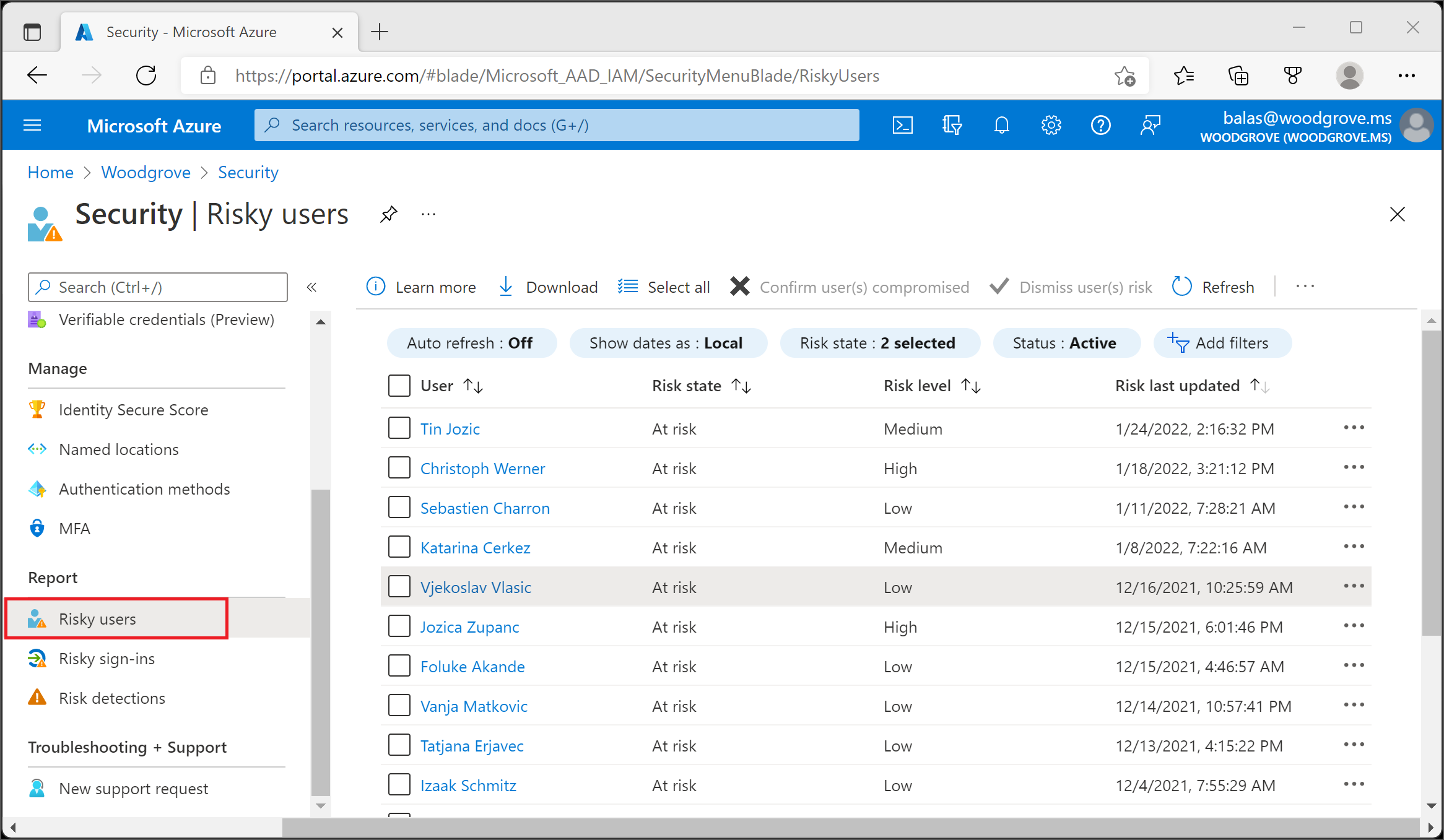
Investigate risk Microsoft Entra ID Protection Microsoft Entra
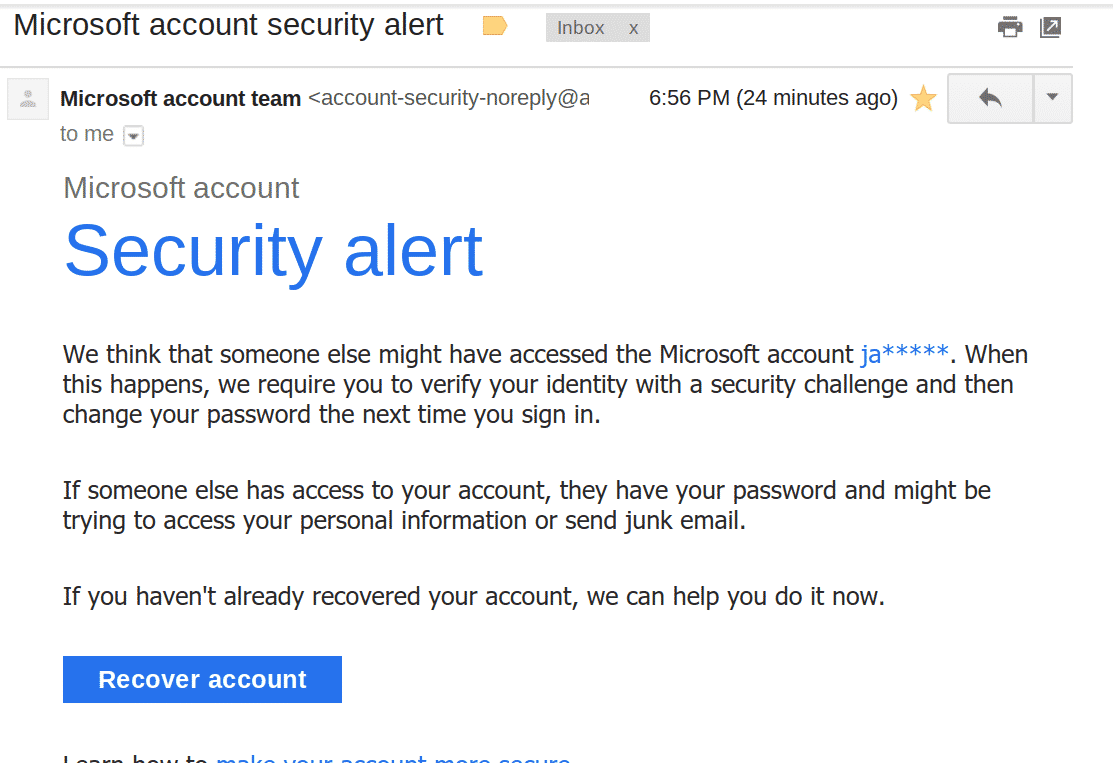
Microsoft Account Security Alert its a Scam is Making the Rounds in
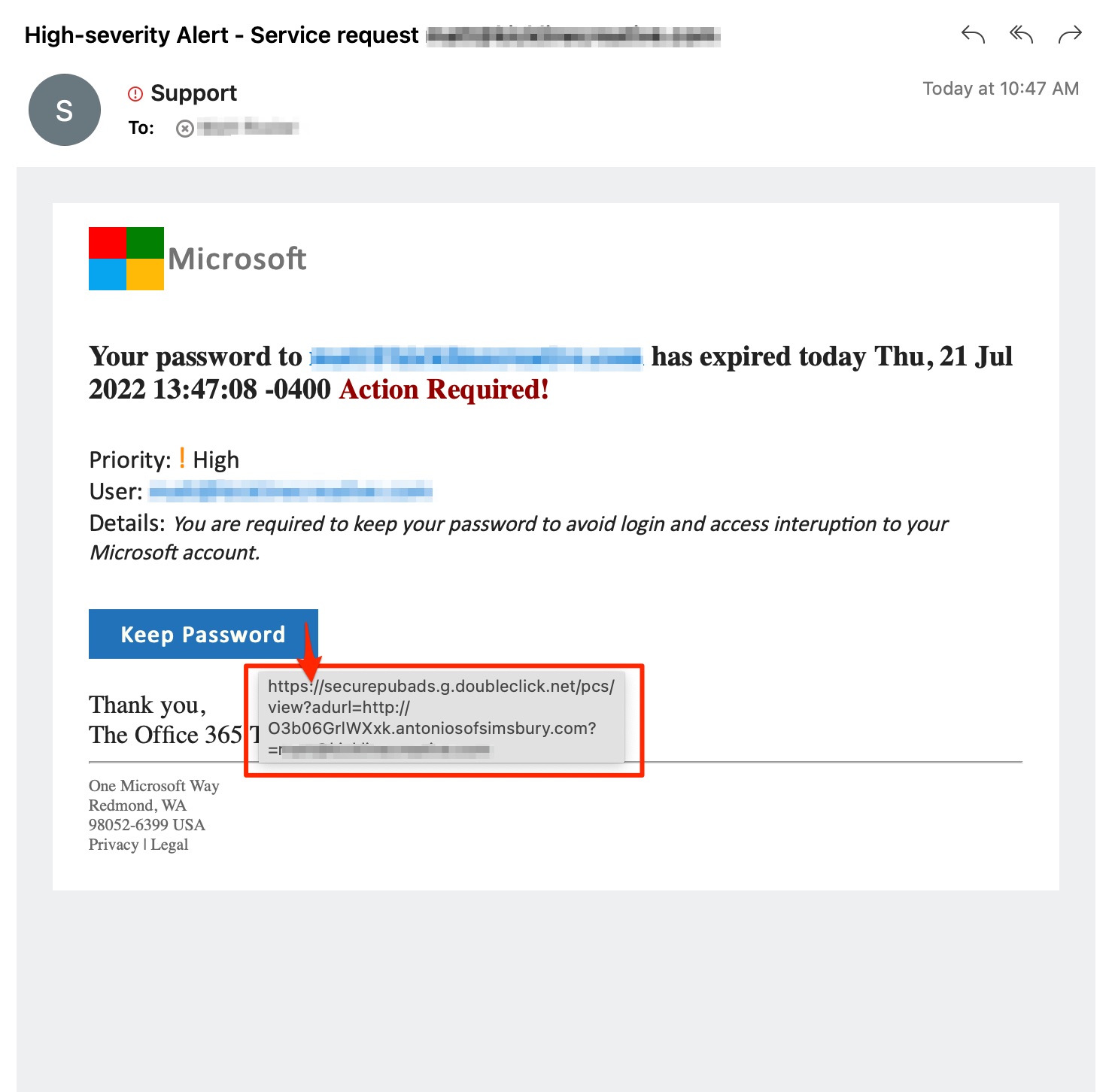
Microsoft phishing scam Don't click that email CyberGuy

Simple advice for protecting all your online accounts Popular Science
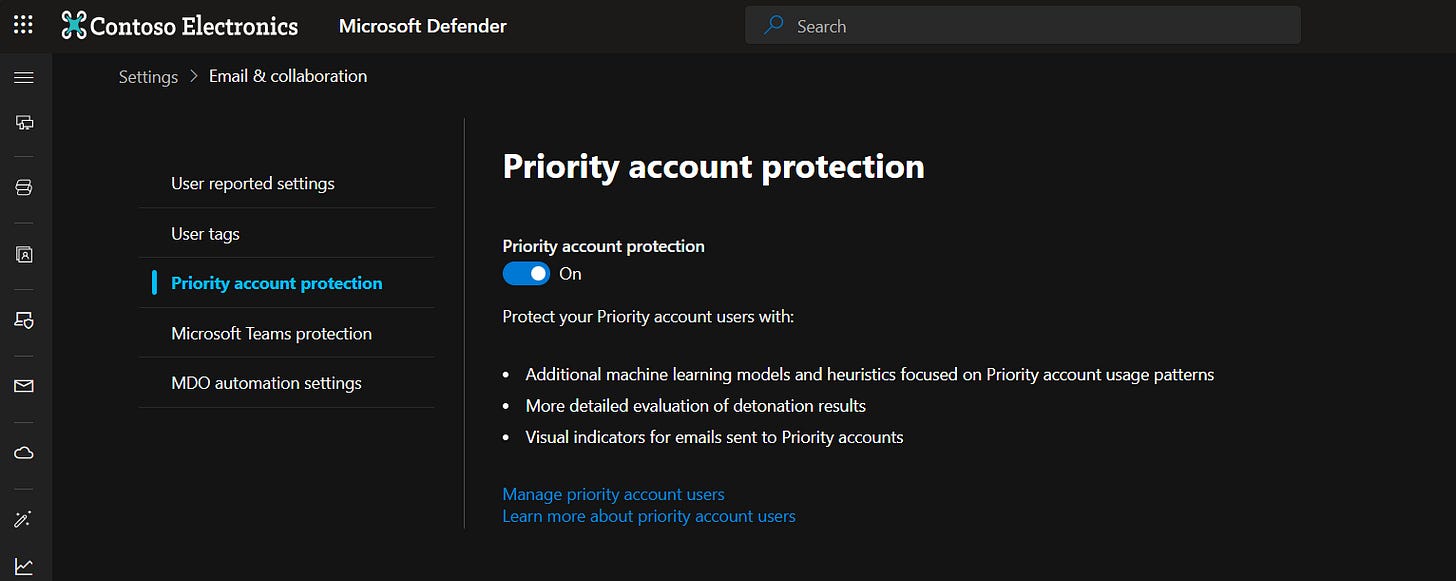
Microsoft Defender for Office 365 Part 5 AntiPhishing & Impersonation
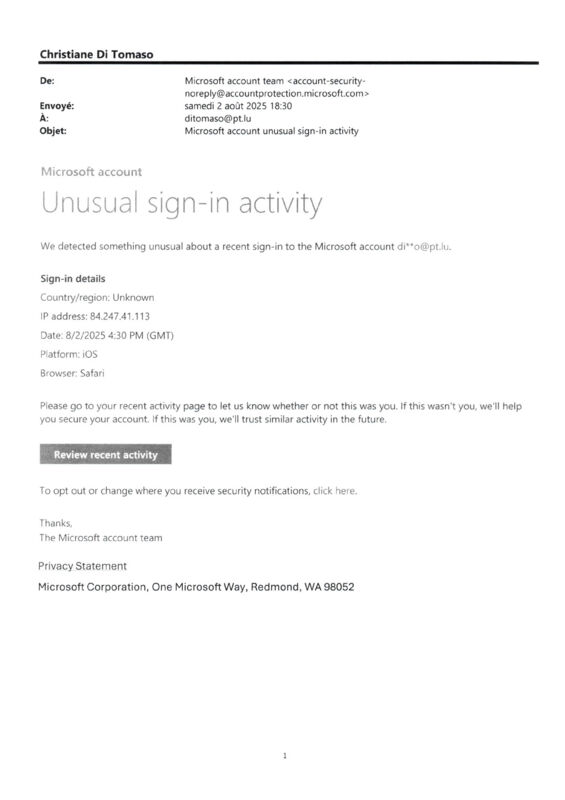
5

Microsoft account team security alert email is it scam? YouTube
Is the Microsoft Account Security Alert email a scam? How to
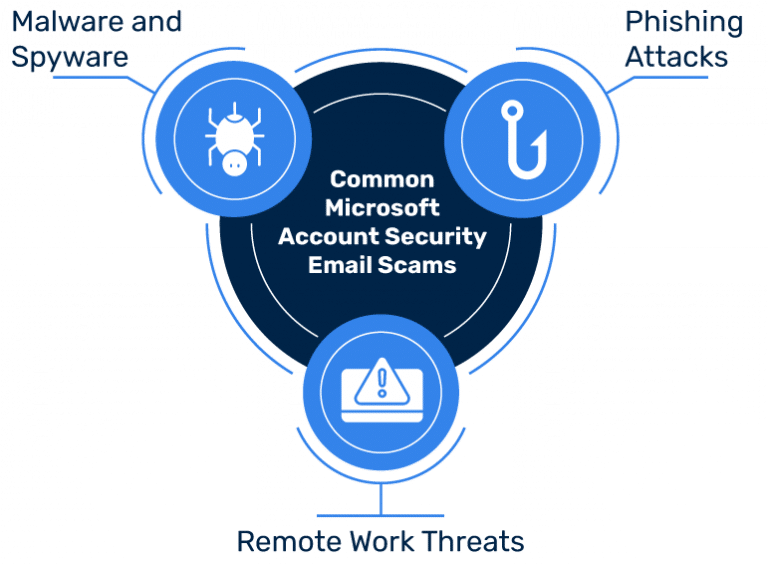
Is Microsoft Account Security Alert Email Real?

Microsoft Security Alert Email Russia at Jung Coleman blog
Can I trust email from the Microsoft account team? Microsoft Support
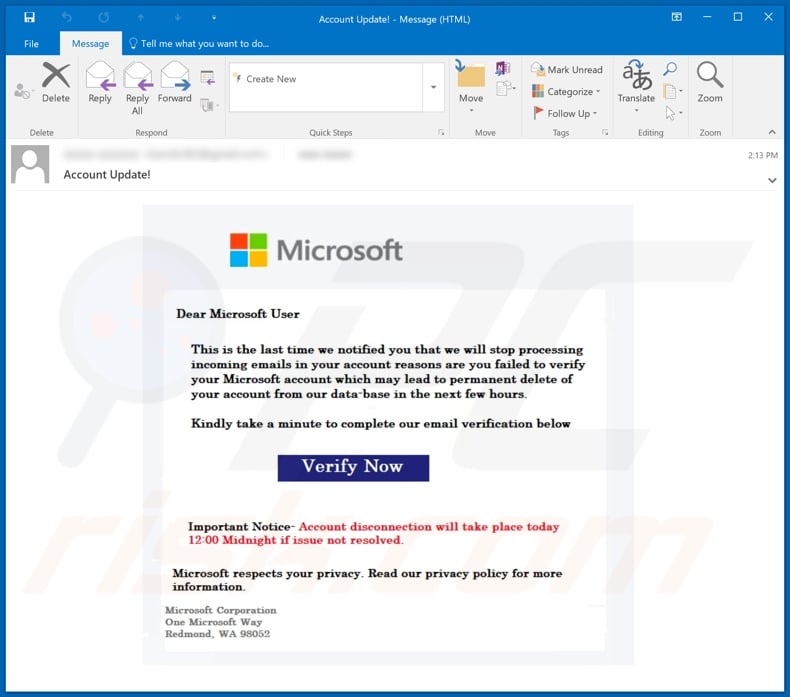
How To Open Microsoft Com Email at Gino Estes blog

Priority Account Protection for Microsoft 365 What Every Business
Examples Of Security Alert at Anna Octoman blog

How to Set Up MultiFactor Authentication and Safeguard Your Online

Beginner's guide to Windows Security on Windows 10 Windows Central
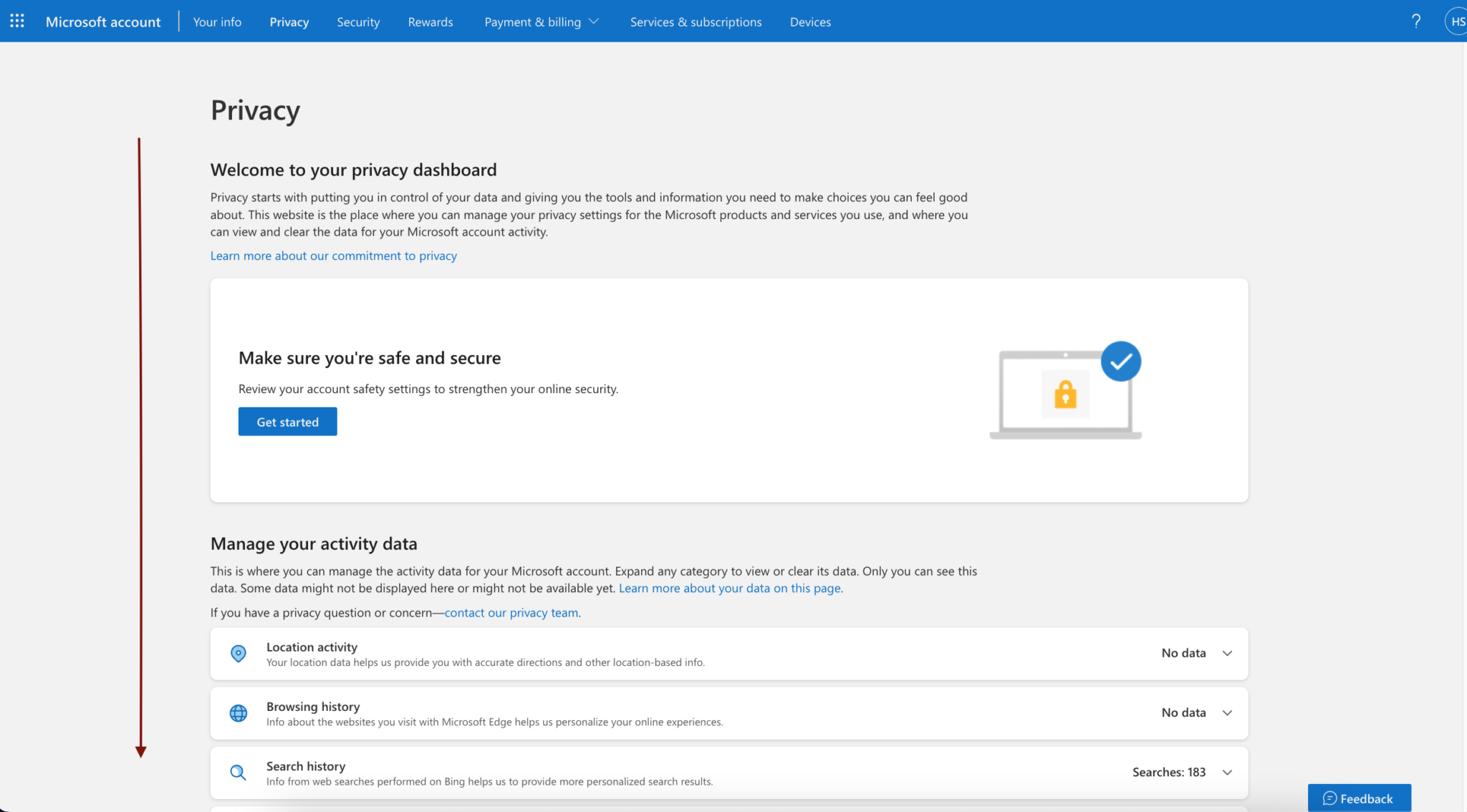
How to Secure your Microsoft Account CloudSponge
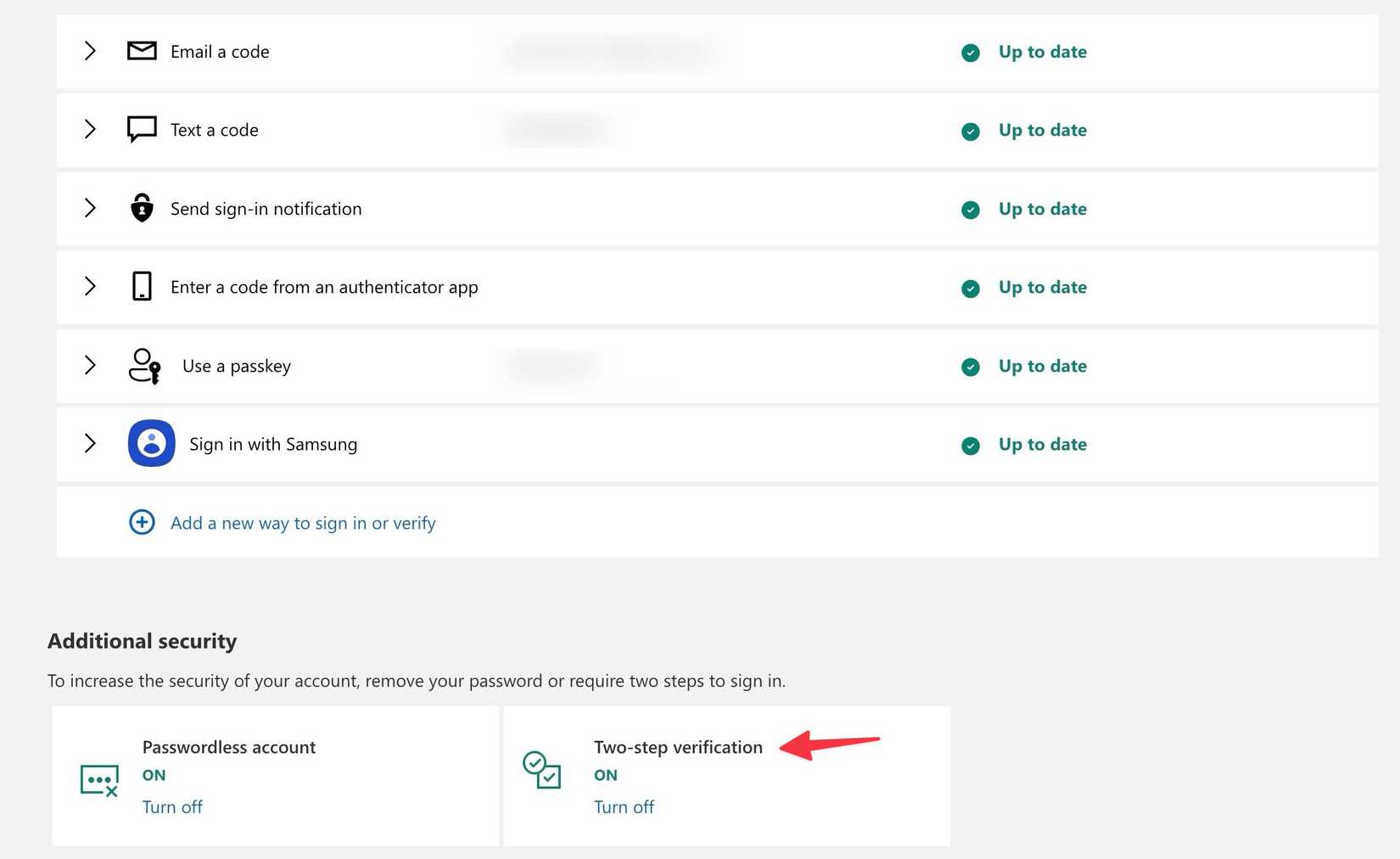
7 overlooked Microsoft security features that can greatly boost your

Is Really Safe

Microsoft has enabled Security Defaults to keep your account secure
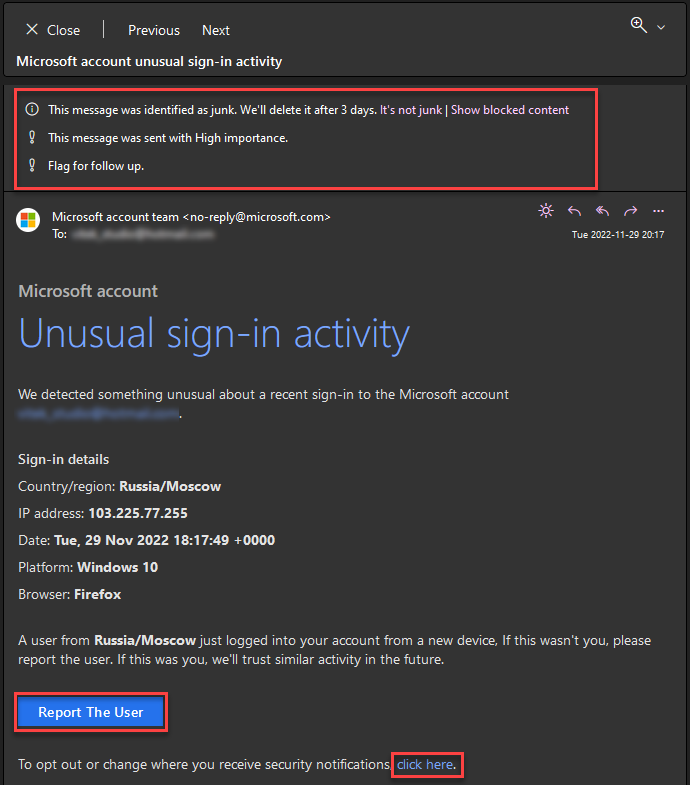
Microsoft Email Scam How to Prevent Fraud Email Attacks

Passkeys 101 How Microsoft Entra Simplifies Passwordless Authentication

Priority Account Protection for Microsoft 365 What Every Business

How to Perform a Microsoft Account Security Audit and Checkup
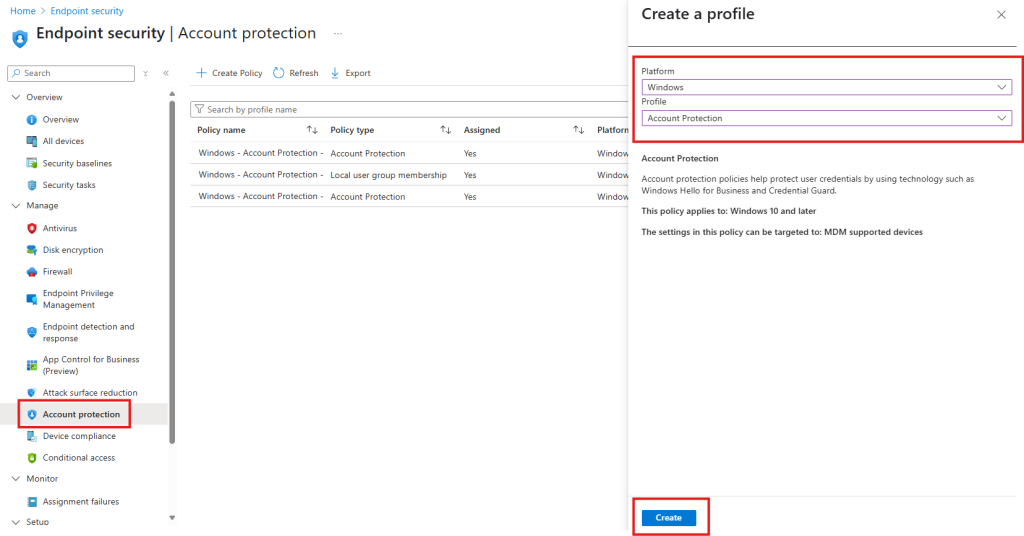
Boost Security with Microsoft Defender Credential Guard 2025

Priority Account Protection for Microsoft 365 What Every Business

How to make your Microsoft account more secure with twostep
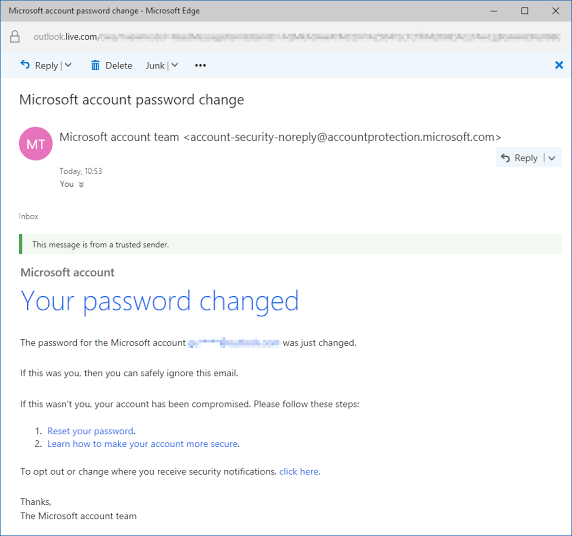
Is Valid and
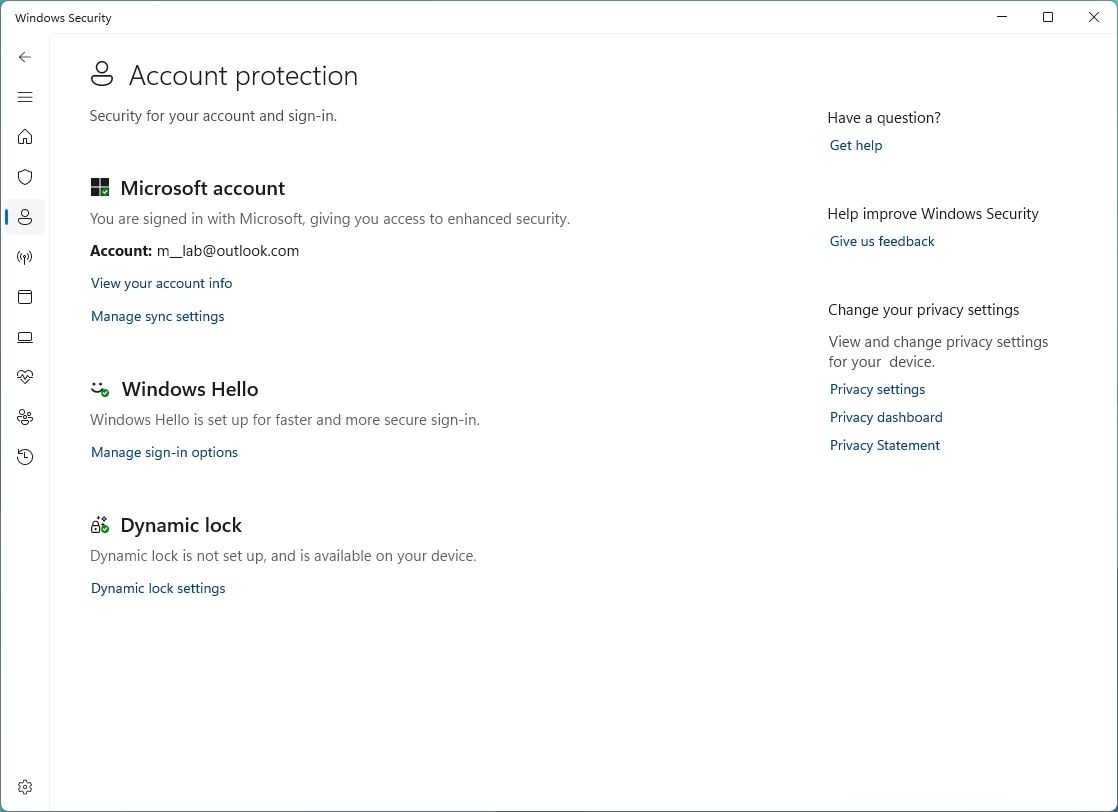
Beginner's guide to Windows Security on Windows 11 and 10 Windows Central
Microsoft Uses This Official Domain To Send.
If You Get An Email From Microsoft Account Team And The Email Address Domain Is @Accountprotection.microsoft.com, It Is Safe To.
Related Post: