Cannot Log Into Microsoft Authenticator App
Cannot Log Into Microsoft Authenticator App - In this video, learn the difference between: In published, edited english prose, cannot is far more common than can not. A form of can not. Simply replace 'can' with 'cannot' to make the sentence negative. An exception is usually made when the not following can is part of another phrase, such as not only; See examples of cannot used in a sentence. In formal writing and where contractions are frowned upon, use cannot. I will use each in a sentence to illustrate the proper context, and i will also reveal a helpful trick to use when you can’t decide whether to use can not or. Can’t is a contraction of cannot, and it’s best suited for informal writing. In this article, i will compare cannot vs. Both cannot and can not are perfectly fine, but cannot is far more common and is therefore recommended, especially in any kind of formal writing. An exception is usually made when the not following can is part of another phrase, such as not only; The negative form of the verb can: In published, edited english prose, cannot is far more. In formal writing and where contractions are frowned upon, use cannot. A form of can not. Can’t is a contraction of cannot, and it’s best suited for informal writing. Can't has the same meaning, but as with. The negative form of the verb can: In this complete guide, you’ll learn the difference between cannot and can not, when each one is used, why people confuse them, and an easy trick to remember the rule forever. Can’t is a contraction of cannot, and it’s best suited for informal writing. Simply replace 'can' with 'cannot' to make the sentence negative. An exception is usually made when. “cannot” and “can’t” are often used interchangeably, but there is a subtle difference between the two. In formal writing and where contractions are frowned upon, use cannot. See examples of cannot used in a sentence. The negative form of the verb can: Can’t is a contraction of cannot, and it’s best suited for informal writing. Both cannot and can not are perfectly fine, but cannot is far more common and is therefore recommended, especially in any kind of formal writing. Used to say that something will certainly happen: In this complete guide, you’ll learn the difference between cannot and can not, when each one is used, why people confuse them, and an easy trick to. Can't has the same meaning, but as with. Used to say that something will certainly happen: “cannot” and “can’t” are often used interchangeably, but there is a subtle difference between the two. The negative form of the verb can: Can’t is a contraction of cannot, and it’s best suited for informal writing. Both cannot and can not are perfectly fine, but cannot is far more common and is therefore recommended, especially in any kind of formal writing. It is possible to write can not, but you generally find it. An exception is usually made when the not following can is part of another phrase, such as not only; 'cannot', 'can not' and. Can't has the same meaning, but as with. Can’t is a contraction of cannot, and it’s best suited for informal writing. In formal writing and where contractions are frowned upon, use cannot. Both cannot and can not are perfectly fine, but cannot is far more common and is therefore recommended, especially in any kind of formal writing. An exception is. In formal writing and where contractions are frowned upon, use cannot. In this video, learn the difference between: “cannot” is the proper spelling of the word, while “can’t” is a contraction of “cannot.” I will use each in a sentence to illustrate the proper context, and i will also reveal a helpful trick to use when you can’t decide whether. In this article, i will compare cannot vs. In published, edited english prose, cannot is far more common than can not. I will use each in a sentence to illustrate the proper context, and i will also reveal a helpful trick to use when you can’t decide whether to use can not or. A form of can not. “cannot” and. “cannot” is the proper spelling of the word, while “can’t” is a contraction of “cannot.” In formal writing and where contractions are frowned upon, use cannot. Cannot is the negative form of the verb can. “cannot” and “can’t” are often used interchangeably, but there is a subtle difference between the two. Cannot (one word) is the most common expansion of. In formal writing and where contractions are frowned upon, use cannot. Can't has the same meaning, but as with. In published, edited english prose, cannot is far more common than can not. An exception is usually made when the not following can is part of another phrase, such as not only; The negative form of the verb can: Used to say that something will certainly happen: Can't has the same meaning, but as with. See examples of cannot used in a sentence. An exception is usually made when the not following can is part of another phrase, such as not only; In this complete guide, you’ll learn the difference between cannot and can not, when each one is. See examples of cannot used in a sentence. 'cannot', 'can not' and 'can't'. It is possible to write can not, but you generally find it. In this complete guide, you’ll learn the difference between cannot and can not, when each one is used, why people confuse them, and an easy trick to remember the rule forever. In formal writing and. Can't has the same meaning, but as with. “cannot” and “can’t” are often used interchangeably, but there is a subtle difference between the two. I will use each in a sentence to illustrate the proper context, and i will also reveal a helpful trick to use when you can’t decide whether to use can not or. 'cannot', 'can not' and. Can’t is a contraction of cannot, and it’s best suited for informal writing. In formal writing and where contractions are frowned upon, use cannot. Used to say that something will certainly happen: “cannot” and “can’t” are often used interchangeably, but there is a subtle difference between the two. In this article, i will compare cannot vs. The negative form of the verb can: A form of can not. In this complete guide, you’ll learn the difference between cannot and can not, when each one is used, why people confuse them, and an easy trick to remember the rule forever. It is possible to write can not, but you generally find it. I will use each in. “cannot” is the proper spelling of the word, while “can’t” is a contraction of “cannot.” Cannot is the negative form of the verb can. In this complete guide, you’ll learn the difference between cannot and can not, when each one is used, why people confuse them, and an easy trick to remember the rule forever. Cannot (one word) is the. Cannot is the negative form of the verb can. In formal writing and where contractions are frowned upon, use cannot. 'cannot', 'can not' and 'can't'. It is possible to write can not, but you generally find it. Used to say that something will certainly happen: Used to say that something will certainly happen: In this complete guide, you’ll learn the difference between cannot and can not, when each one is used, why people confuse them, and an easy trick to remember the rule forever. Simply replace 'can' with 'cannot' to make the sentence negative. Can't has the same meaning, but as with. In this video,. Can't has the same meaning, but as with. “cannot” is the proper spelling of the word, while “can’t” is a contraction of “cannot.” Both cannot and can not are perfectly fine, but cannot is far more common and is therefore recommended, especially in any kind of formal writing. Can’t is a contraction of cannot, and it’s best suited for informal. A form of can not. Can't has the same meaning, but as with. Cannot is the negative form of the verb can. In this article, i will compare cannot vs. In this complete guide, you’ll learn the difference between cannot and can not, when each one is used, why people confuse them, and an easy trick to remember the rule. In published, edited english prose, cannot is far more common than can not. An exception is usually made when the not following can is part of another phrase, such as not only; In formal writing and where contractions are frowned upon, use cannot. “cannot” is the proper spelling of the word, while “can’t” is a contraction of “cannot.” The negative. In published, edited english prose, cannot is far more common than can not. Used to say that something will certainly happen: In this video, learn the difference between: It is possible to write can not, but you generally find it. See examples of cannot used in a sentence. In this video, learn the difference between: Can't has the same meaning, but as with. In formal writing and where contractions are frowned upon, use cannot. The negative form of the verb can: Cannot (one word) is the most common expansion of the contraction can't. for example: In this complete guide, you’ll learn the difference between cannot and can not, when each one is used, why people confuse them, and an easy trick to remember the rule forever. I will use each in a sentence to illustrate the proper context, and i will also reveal a helpful trick to use when you can’t decide whether to use. In this article, i will compare cannot vs. In formal writing and where contractions are frowned upon, use cannot. “cannot” and “can’t” are often used interchangeably, but there is a subtle difference between the two. I will use each in a sentence to illustrate the proper context, and i will also reveal a helpful trick to use when you can’t. Can’t is a contraction of cannot, and it’s best suited for informal writing. 'cannot', 'can not' and 'can't'. In this complete guide, you’ll learn the difference between cannot and can not, when each one is used, why people confuse them, and an easy trick to remember the rule forever. Cannot is the negative form of the verb can. Cannot (one. Both cannot and can not are perfectly fine, but cannot is far more common and is therefore recommended, especially in any kind of formal writing. A form of can not. In this article, i will compare cannot vs. The negative form of the verb can: “cannot” is the proper spelling of the word, while “can’t” is a contraction of “cannot.” Used to say that something will certainly happen: Can’t is a contraction of cannot, and it’s best suited for informal writing. Both cannot and can not are perfectly fine, but cannot is far more common and is therefore recommended, especially in any kind of formal writing. In published, edited english prose, cannot is far more common than can not. In. Used to say that something will certainly happen: Both cannot and can not are perfectly fine, but cannot is far more common and is therefore recommended, especially in any kind of formal writing. Simply replace 'can' with 'cannot' to make the sentence negative. Cannot (one word) is the most common expansion of the contraction can't. for example: “cannot” and “can’t”. The negative form of the verb can: In this complete guide, you’ll learn the difference between cannot and can not, when each one is used, why people confuse them, and an easy trick to remember the rule forever. Can’t is a contraction of cannot, and it’s best suited for informal writing. It is possible to write can not, but you. In this video, learn the difference between: A form of can not. An exception is usually made when the not following can is part of another phrase, such as not only; In this article, i will compare cannot vs. Cannot (one word) is the most common expansion of the contraction can't. for example: I will use each in a sentence to illustrate the proper context, and i will also reveal a helpful trick to use when you can’t decide whether to use can not or. Can't has the same meaning, but as with. In this article, i will compare cannot vs. A form of can not. The negative form of the verb can: It is possible to write can not, but you generally find it. In formal writing and where contractions are frowned upon, use cannot. See examples of cannot used in a sentence. Simply replace 'can' with 'cannot' to make the sentence negative. In published, edited english prose, cannot is far more common than can not. Both cannot and can not are perfectly fine, but cannot is far more common and is therefore recommended, especially in any kind of formal writing. 'cannot', 'can not' and 'can't'. Cannot is the negative form of the verb can. See examples of cannot used in a sentence. It is possible to write can not, but you generally find it. Simply replace 'can' with 'cannot' to make the sentence negative. In this complete guide, you’ll learn the difference between cannot and can not, when each one is used, why people confuse them, and an easy trick to remember the rule forever. Used to say that something will certainly happen: Can’t is a contraction of cannot, and it’s best suited for informal writing. In this article, i will compare cannot vs. An exception is usually made when the not following can is part of another phrase, such as not only; In published, edited english prose, cannot is far more common than can not. A form of can not. “cannot” and “can’t” are often used interchangeably, but there is a subtle difference between the two. In this video, learn the difference between: I will use each in a sentence to illustrate the proper context, and i will also reveal a helpful trick to use when you can’t decide whether to use can not or.Cannot authenticate via Authenticator app Microsoft Community Hub

Authenticator Microsoft Microsoft Authenticator App Auf Neues Handy

How to Fix Microsoft Authenticator Not Working on iPhone in iOS 17

Enable passwordless signin with the Microsoft Authenticator App
No alternative login for MS Authenticator. Microsoft Q&A

How to Troubleshoot Microsoft Authenticator Not Working Issues?

Windows Login Mfa at Robert Parsley blog

Microsoft Authenticator app signin method types for Microsoft 365

Guide to using the Microsoft Authenticator app Inact

How to Set Up and Use Microsoft Authenticator Beebom
Cannot log in to my Authenticator App Microsoft Q&A

Microsoft Authentication Code Accéder À Mon Authenticator EPYUPT

Microsoft Authenticator What it is, how it works, and how to use it
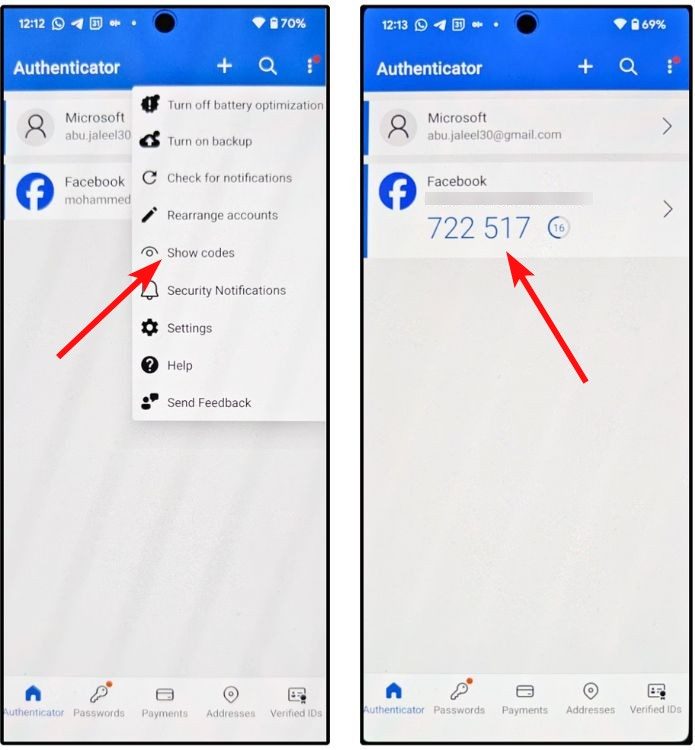
How to Set Up and Use Microsoft Authenticator Beebom

Enable passwordless signin with the Microsoft Authenticator App
:max_bytes(150000):strip_icc()/microsoft-authenticator-add-account-35876df5e9944b15ab4a9e1a37f778b0.png)
How to Use the Microsoft Authenticator App

Microsoft Authenticator App Not Working, How to fix it?
Authenticator cannot login Microsoft Q&A

Microsoft Authenticator App Not Working? Try These Fixes Hideez
I cannot log into the authenticator app on my new phone Microsoft Q&A
Deleted Authenticator App, can't log back into MS account Microsoft Q&A
Cannot authenticate with Email when logging into Microsoft

How to Set Up Microsoft Authenticator App on Android Phone YouTube

Cannot log in due to microsoft authenticator problem Microsoft Q&A

How to Fix Microsoft Authenticator Not Working on iPhone in iOS 17
Deleted Authenticator app, can't log back into MS account Microsoft Q&A

Microsoft Authenticator Flaw on Android, iOS Could Leak Login Codes for

How to Troubleshoot Microsoft Authenticator Not Working Issues?

Microsoft Authenticator Settings EXBEO

Fix Microsoft Authenticator App Not Showing Code On New Phone Problem

Can't Sign In to Microsoft Authenticator? Try This Easy Fix! YouTube
I cannot log into the authenticator app on my new phone Microsoft Q&A

How to Set Up and Use Microsoft Authenticator Beebom

How to use Microsoft Authenticator app on PC and Phone
Why my authenticator app not receiving approval requests Microsoft Q&A
Can't Has The Same Meaning, But As With.
The Negative Form Of The Verb Can:
“Cannot” Is The Proper Spelling Of The Word, While “Can’t” Is A Contraction Of “Cannot.”
In Formal Writing And Where Contractions Are Frowned Upon, Use Cannot.
Related Post: