
Dkim Microsoft 365
Dkim Microsoft 365 - It helps verify that your message hasn't been tampered with and that it truly comes from your domain. Dkim (domainkeys identified mail) adds a cryptographic signature to your outgoing emails. The identifier is independent of any other identifier in the. Dkim attaches a new domain name identifier to a message and uses cryptographic techniques to validate authorization for its presence. It adds a code to each message, and when it arrives, the receiving server checks if. Domainkeys identified mail (dkim) is an email authentication method that permits a person, role, or organization that owns the signing domain to claim some responsibility for a message by associating. Learn how microsoft 365 uses domainkeys identified mail (dkim) to sign outbound mail, and how to configure dkim signing of outbound mail using custom domains. The sending server signs each message with a private key, and publishes the matching public key in dns. Domainkeys identified mail (dkim) is an essential part of modern email authentication. Dkim (domainkeys identified mail) is a way to tag your emails with proof that they’re really from you. Domainkeys identified mail (dkim) is an essential part of modern email authentication. It helps verify that your message hasn't been tampered with and that it truly comes from your domain. Learn how microsoft 365 uses domainkeys identified mail (dkim) to sign outbound mail, and how to configure dkim signing of outbound mail using custom domains. Dkim (domainkeys identified mail) adds. Learn how microsoft 365 uses domainkeys identified mail (dkim) to sign outbound mail, and how to configure dkim signing of outbound mail using custom domains. A dkim record is a specialized dns txt record that stores the public key used to verify an email's authenticity. Domainkeys identified mail (dkim) is an email authentication method that permits a person, role, or. Domainkeys identified mail (dkim) is an essential part of modern email authentication. The sending server signs each message with a private key, and publishes the matching public key in dns. Dkim (domainkeys identified mail) is a protocol that allows an organization to take responsibility for transmitting a message by signing it in a way that mailbox providers can verify. Dkim. Spf, dkim, and dmarc help authenticate email senders by verifying that the emails came from the domain that they claim to be from. Domainkeys identified mail (dkim) is an essential part of modern email authentication. These three authentication methods are important for preventing. The sending server signs each message with a private key, and publishes the matching public key in. These three authentication methods are important for preventing. Spf, dkim, and dmarc help authenticate email senders by verifying that the emails came from the domain that they claim to be from. Learn how microsoft 365 uses domainkeys identified mail (dkim) to sign outbound mail, and how to configure dkim signing of outbound mail using custom domains. The identifier is independent. The identifier is independent of any other identifier in the. Learn how microsoft 365 uses domainkeys identified mail (dkim) to sign outbound mail, and how to configure dkim signing of outbound mail using custom domains. Dkim attaches a new domain name identifier to a message and uses cryptographic techniques to validate authorization for its presence. Dkim (domainkeys identified mail) adds. The identifier is independent of any other identifier in the. It adds a code to each message, and when it arrives, the receiving server checks if. Dkim (domainkeys identified mail) is a way to tag your emails with proof that they’re really from you. A dkim record is a specialized dns txt record that stores the public key used to. Dkim (domainkeys identified mail) adds a cryptographic signature to your outgoing emails. Domainkeys identified mail (dkim) is an essential part of modern email authentication. Learn how microsoft 365 uses domainkeys identified mail (dkim) to sign outbound mail, and how to configure dkim signing of outbound mail using custom domains. The identifier is independent of any other identifier in the. A. The identifier is independent of any other identifier in the. Dkim (domainkeys identified mail) adds a cryptographic signature to your outgoing emails. It adds a code to each message, and when it arrives, the receiving server checks if. It helps verify that your message hasn't been tampered with and that it truly comes from your domain. The sending server signs. It helps verify that your message hasn't been tampered with and that it truly comes from your domain. Domainkeys identified mail (dkim) is an email authentication method that permits a person, role, or organization that owns the signing domain to claim some responsibility for a message by associating. A dkim record is a specialized dns txt record that stores the. These three authentication methods are important for preventing. A dkim record is a specialized dns txt record that stores the public key used to verify an email's authenticity. Dkim attaches a new domain name identifier to a message and uses cryptographic techniques to validate authorization for its presence. Dkim (domainkeys identified mail) is a way to tag your emails with. Domainkeys identified mail (dkim) is an email authentication method that permits a person, role, or organization that owns the signing domain to claim some responsibility for a message by associating. Domainkeys identified mail (dkim) is an essential part of modern email authentication. The sending server signs each message with a private key, and publishes the matching public key in dns.. Dkim (domainkeys identified mail) is a protocol that allows an organization to take responsibility for transmitting a message by signing it in a way that mailbox providers can verify. It adds a code to each message, and when it arrives, the receiving server checks if. The identifier is independent of any other identifier in the. Dkim attaches a new domain. A dkim record is a specialized dns txt record that stores the public key used to verify an email's authenticity. Domainkeys identified mail (dkim) is an email authentication method that permits a person, role, or organization that owns the signing domain to claim some responsibility for a message by associating. Dkim (domainkeys identified mail) is a protocol that allows an. Dkim (domainkeys identified mail) adds a cryptographic signature to your outgoing emails. The identifier is independent of any other identifier in the. Dkim attaches a new domain name identifier to a message and uses cryptographic techniques to validate authorization for its presence. Learn how microsoft 365 uses domainkeys identified mail (dkim) to sign outbound mail, and how to configure dkim. Dkim (domainkeys identified mail) is a protocol that allows an organization to take responsibility for transmitting a message by signing it in a way that mailbox providers can verify. The identifier is independent of any other identifier in the. Domainkeys identified mail (dkim) is an essential part of modern email authentication. Domainkeys identified mail (dkim) is an email authentication method. Dkim (domainkeys identified mail) is a protocol that allows an organization to take responsibility for transmitting a message by signing it in a way that mailbox providers can verify. Spf, dkim, and dmarc help authenticate email senders by verifying that the emails came from the domain that they claim to be from. Dkim (domainkeys identified mail) is a way to. Spf, dkim, and dmarc help authenticate email senders by verifying that the emails came from the domain that they claim to be from. It helps verify that your message hasn't been tampered with and that it truly comes from your domain. These three authentication methods are important for preventing. The sending server signs each message with a private key, and. Learn how microsoft 365 uses domainkeys identified mail (dkim) to sign outbound mail, and how to configure dkim signing of outbound mail using custom domains. The sending server signs each message with a private key, and publishes the matching public key in dns. Domainkeys identified mail (dkim) is an email authentication method that permits a person, role, or organization that. It helps verify that your message hasn't been tampered with and that it truly comes from your domain. Dkim attaches a new domain name identifier to a message and uses cryptographic techniques to validate authorization for its presence. Dkim (domainkeys identified mail) adds a cryptographic signature to your outgoing emails. The identifier is independent of any other identifier in the.. Dkim attaches a new domain name identifier to a message and uses cryptographic techniques to validate authorization for its presence. These three authentication methods are important for preventing. Dkim (domainkeys identified mail) is a way to tag your emails with proof that they’re really from you. Domainkeys identified mail (dkim) is an email authentication method that permits a person, role,. The sending server signs each message with a private key, and publishes the matching public key in dns. Domainkeys identified mail (dkim) is an email authentication method that permits a person, role, or organization that owns the signing domain to claim some responsibility for a message by associating. It helps verify that your message hasn't been tampered with and that. Domainkeys identified mail (dkim) is an email authentication method that permits a person, role, or organization that owns the signing domain to claim some responsibility for a message by associating. These three authentication methods are important for preventing. Dkim attaches a new domain name identifier to a message and uses cryptographic techniques to validate authorization for its presence. Learn how. Domainkeys identified mail (dkim) is an essential part of modern email authentication. Dkim (domainkeys identified mail) is a way to tag your emails with proof that they’re really from you. Learn how microsoft 365 uses domainkeys identified mail (dkim) to sign outbound mail, and how to configure dkim signing of outbound mail using custom domains. These three authentication methods are. Spf, dkim, and dmarc help authenticate email senders by verifying that the emails came from the domain that they claim to be from. Dkim (domainkeys identified mail) is a protocol that allows an organization to take responsibility for transmitting a message by signing it in a way that mailbox providers can verify. A dkim record is a specialized dns txt. Spf, dkim, and dmarc help authenticate email senders by verifying that the emails came from the domain that they claim to be from. The identifier is independent of any other identifier in the. Dkim attaches a new domain name identifier to a message and uses cryptographic techniques to validate authorization for its presence. A dkim record is a specialized dns. The identifier is independent of any other identifier in the. Spf, dkim, and dmarc help authenticate email senders by verifying that the emails came from the domain that they claim to be from. Dkim attaches a new domain name identifier to a message and uses cryptographic techniques to validate authorization for its presence. It adds a code to each message,. It helps verify that your message hasn't been tampered with and that it truly comes from your domain. Dkim (domainkeys identified mail) is a protocol that allows an organization to take responsibility for transmitting a message by signing it in a way that mailbox providers can verify. Dkim (domainkeys identified mail) is a way to tag your emails with proof. Domainkeys identified mail (dkim) is an essential part of modern email authentication. It adds a code to each message, and when it arrives, the receiving server checks if. A dkim record is a specialized dns txt record that stores the public key used to verify an email's authenticity. Dkim attaches a new domain name identifier to a message and uses. These three authentication methods are important for preventing. Dkim (domainkeys identified mail) adds a cryptographic signature to your outgoing emails. It helps verify that your message hasn't been tampered with and that it truly comes from your domain. The sending server signs each message with a private key, and publishes the matching public key in dns. Dkim attaches a new. Dkim attaches a new domain name identifier to a message and uses cryptographic techniques to validate authorization for its presence. These three authentication methods are important for preventing. Dkim (domainkeys identified mail) adds a cryptographic signature to your outgoing emails. Domainkeys identified mail (dkim) is an email authentication method that permits a person, role, or organization that owns the signing. Dkim (domainkeys identified mail) adds a cryptographic signature to your outgoing emails. It adds a code to each message, and when it arrives, the receiving server checks if. A dkim record is a specialized dns txt record that stores the public key used to verify an email's authenticity. Domainkeys identified mail (dkim) is an essential part of modern email authentication.. Domainkeys identified mail (dkim) is an email authentication method that permits a person, role, or organization that owns the signing domain to claim some responsibility for a message by associating. Dkim (domainkeys identified mail) is a way to tag your emails with proof that they’re really from you. Spf, dkim, and dmarc help authenticate email senders by verifying that the. Domainkeys identified mail (dkim) is an email authentication method that permits a person, role, or organization that owns the signing domain to claim some responsibility for a message by associating. The identifier is independent of any other identifier in the. These three authentication methods are important for preventing. The sending server signs each message with a private key, and publishes. Dkim (domainkeys identified mail) is a protocol that allows an organization to take responsibility for transmitting a message by signing it in a way that mailbox providers can verify. Dkim (domainkeys identified mail) is a way to tag your emails with proof that they’re really from you. Dkim attaches a new domain name identifier to a message and uses cryptographic. Learn how microsoft 365 uses domainkeys identified mail (dkim) to sign outbound mail, and how to configure dkim signing of outbound mail using custom domains. Dkim (domainkeys identified mail) is a way to tag your emails with proof that they’re really from you. It helps verify that your message hasn't been tampered with and that it truly comes from your domain. It adds a code to each message, and when it arrives, the receiving server checks if. Spf, dkim, and dmarc help authenticate email senders by verifying that the emails came from the domain that they claim to be from. Dkim (domainkeys identified mail) is a protocol that allows an organization to take responsibility for transmitting a message by signing it in a way that mailbox providers can verify. Dkim (domainkeys identified mail) adds a cryptographic signature to your outgoing emails. A dkim record is a specialized dns txt record that stores the public key used to verify an email's authenticity. Domainkeys identified mail (dkim) is an essential part of modern email authentication. Domainkeys identified mail (dkim) is an email authentication method that permits a person, role, or organization that owns the signing domain to claim some responsibility for a message by associating. The identifier is independent of any other identifier in the.
Microsoft 365 Dkim _ Configuration Dmarc Office 365 RUWQ

Configure DKIM in Office 365 TechLabs
Configure DKIM with Microsoft 365 for CloudFilter Mailprotector Help
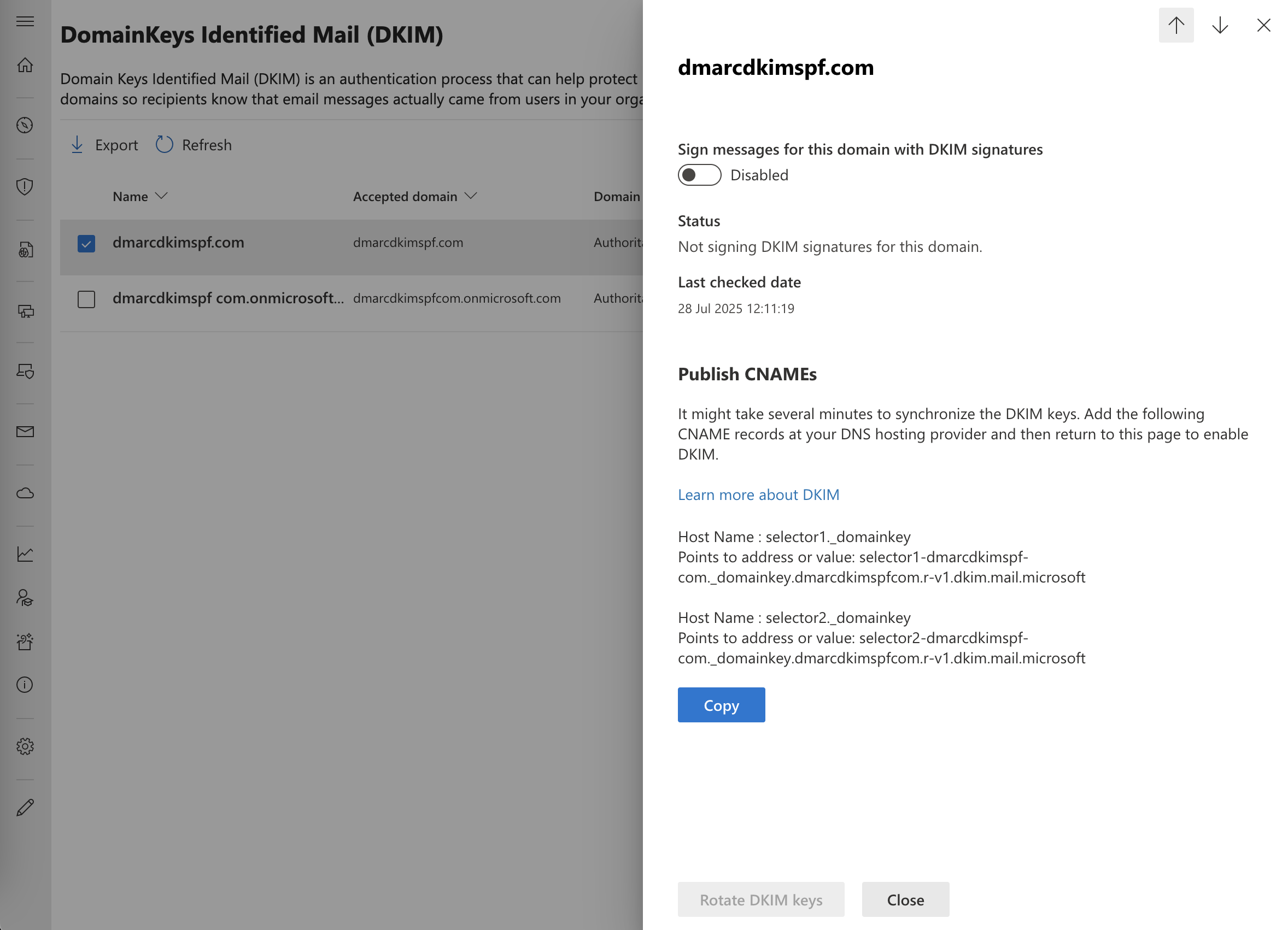
Setup Microsoft 365 DMARC, DKIM, SPF for Domain Authentication

How to Enable DKIM for Microsoft 365 Secure Email Reputation YouTube

Cómo activar DKIM en Microsoft 365 paso a paso
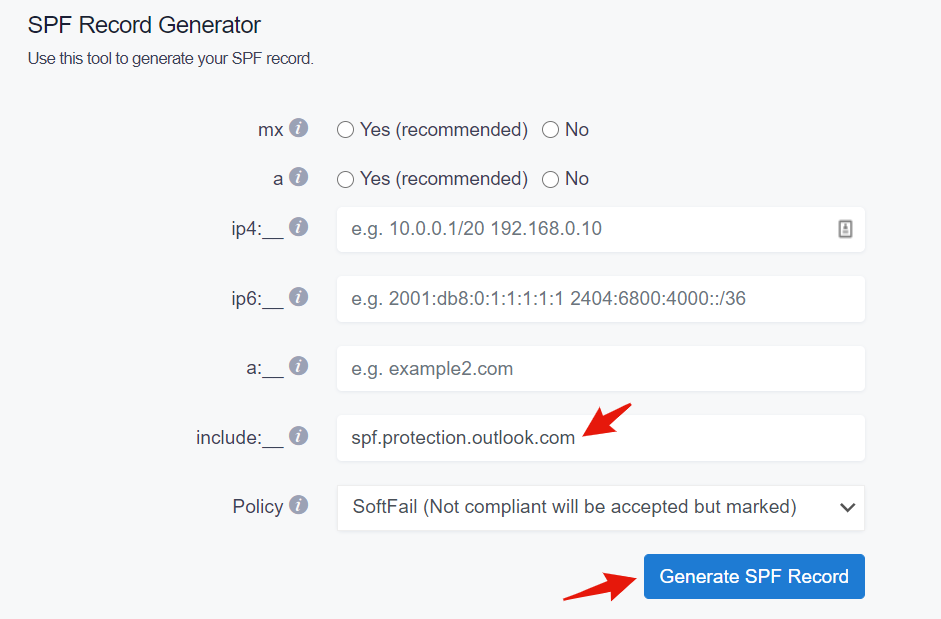
Microsoft 365 SPF and DKIM Configuration Step by Step o365 SPF record
Definitive Guide to Microsoft 365 SPF & DKIM Configuration AutoSPF
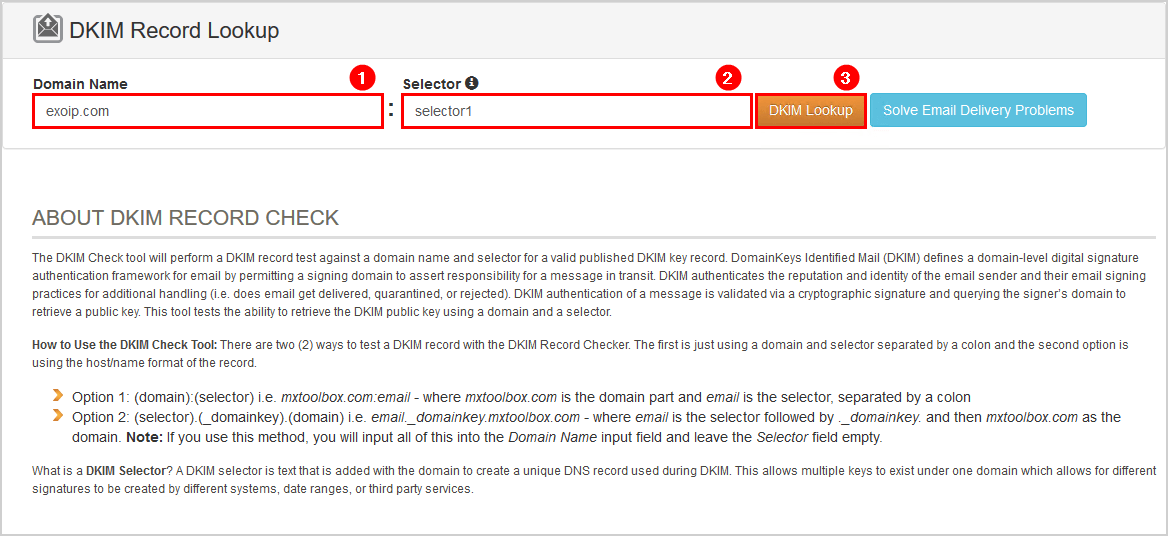
Configure DKIM record for Office 365 ALI TAJRAN

Configuración DKIM en Office 365 Guía Rápida con Ejemplos de CNAME
What is DKIM and How to Configure DKIM in Office 365 Your Ultimate
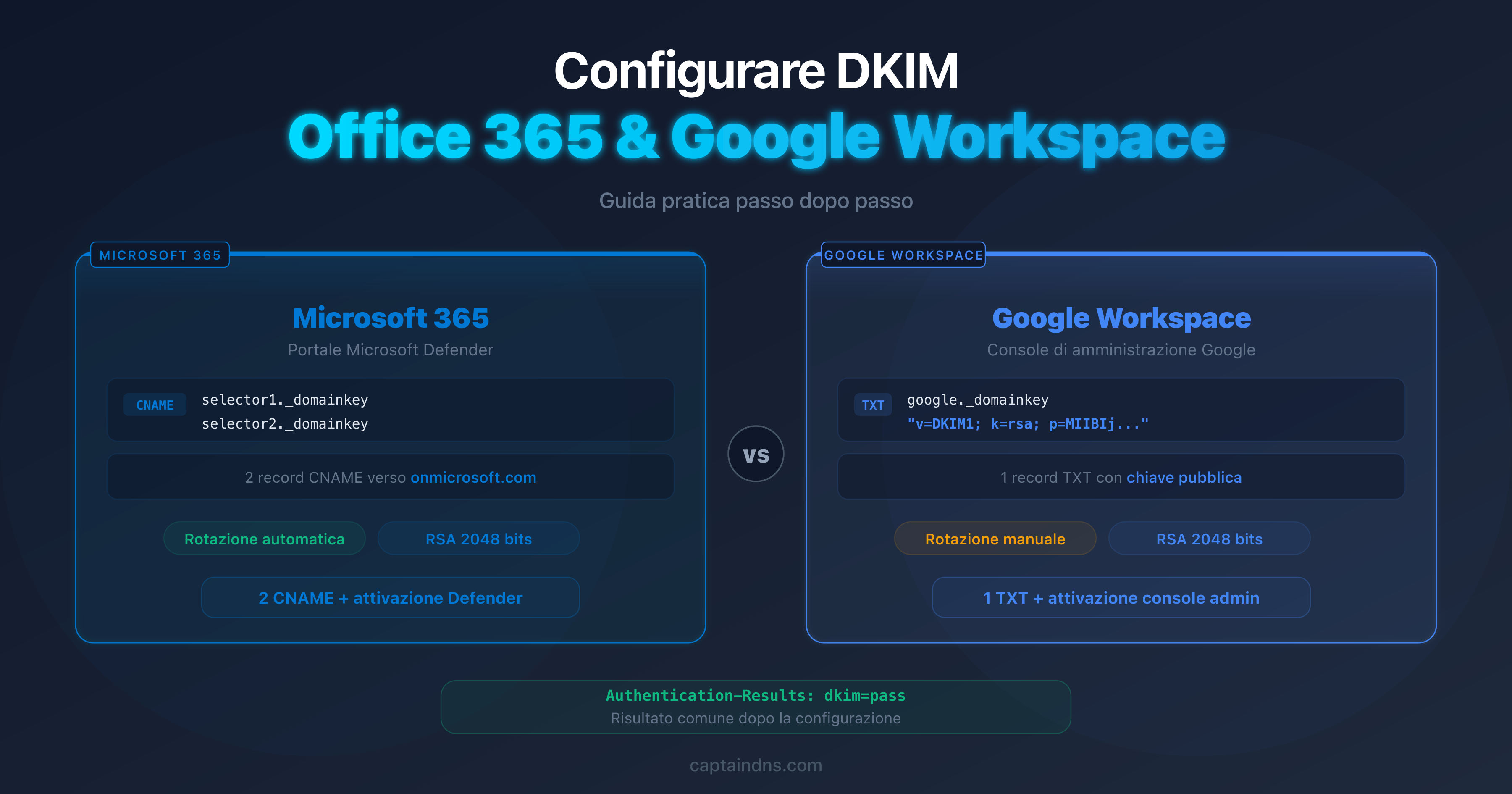
DKIM Office 365 e Google Workspace guida pratica

🛡️ Wondering "How to Configure DKIM for Microsoft Office 365?" Let's
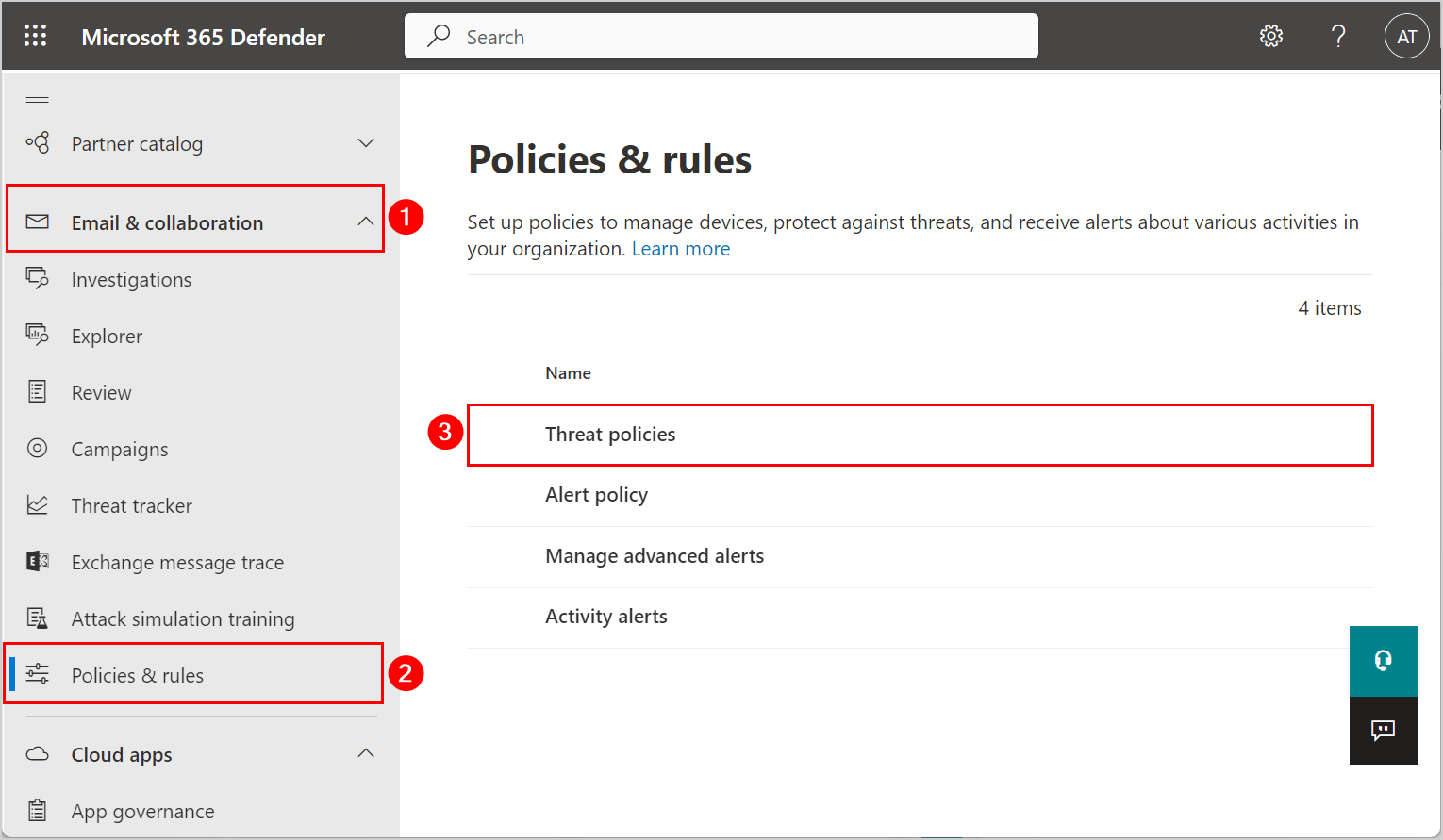
Rotate DKIM keys in Microsoft 365 o365info
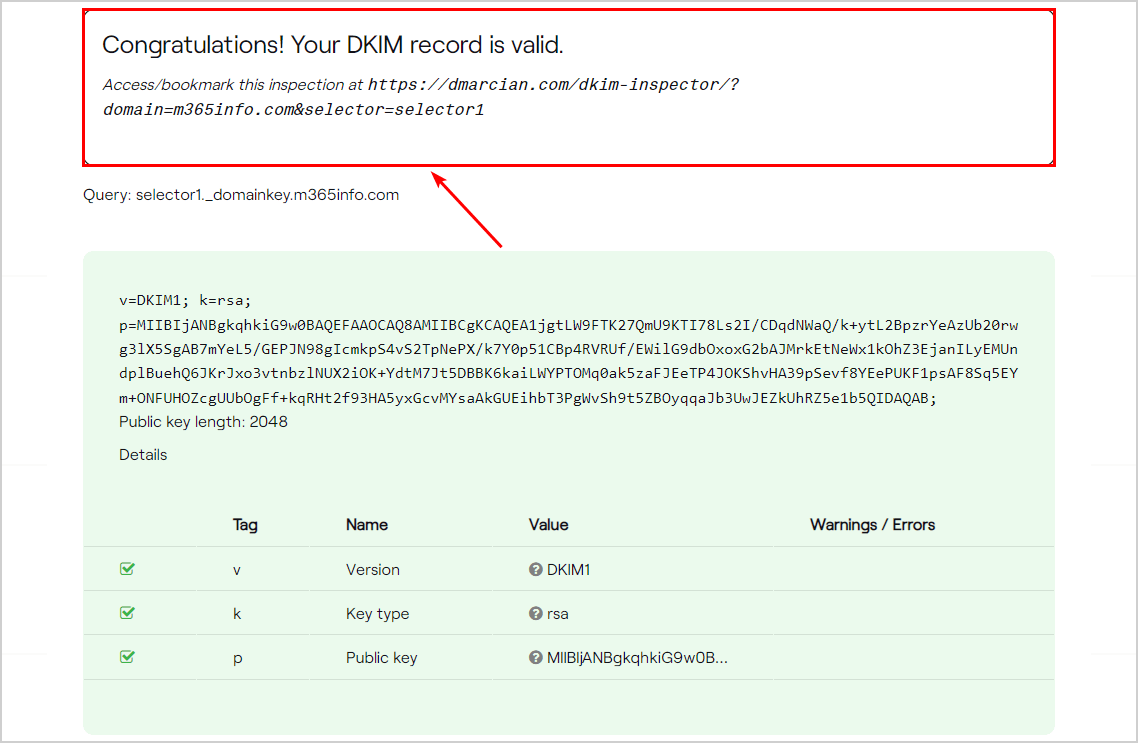
Configure DKIM record for Microsoft 365 o365info

How to Enable DKIM in Microsoft 365? AdminDroid Blog
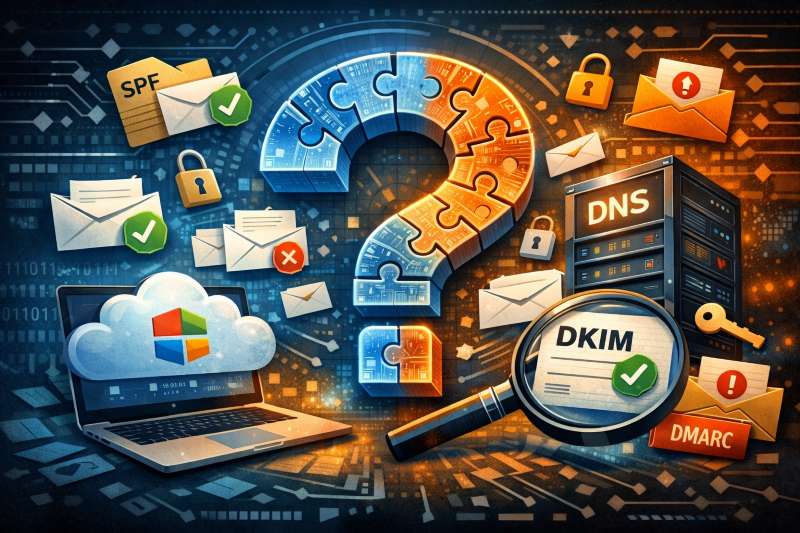
How To Set Up DKIM In Microsoft 365 Quinset
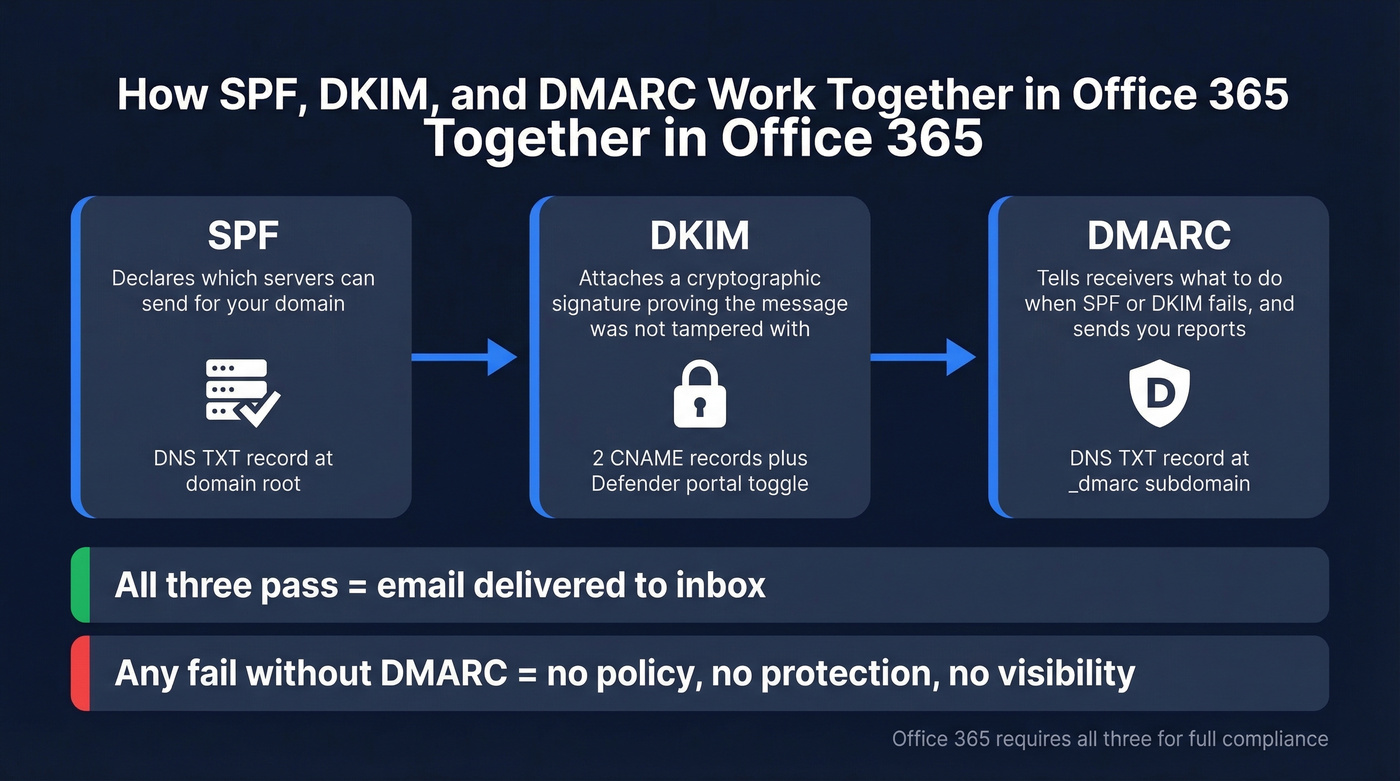
How to Set Up DKIM & DMARC in Office 365 (2026)
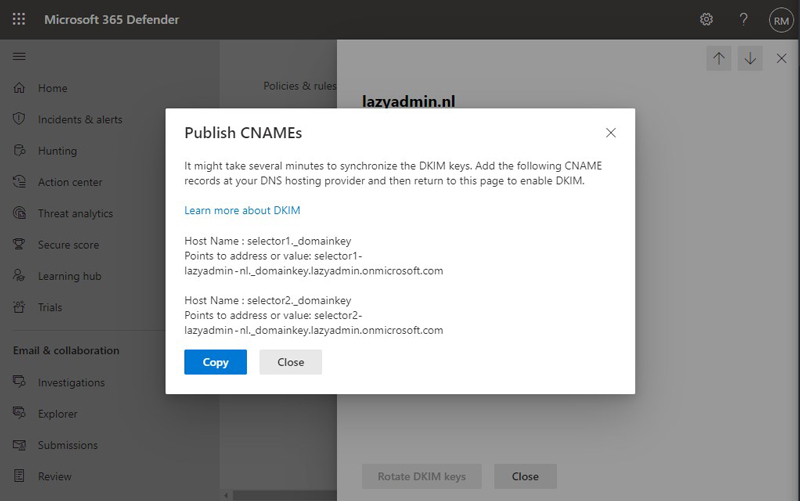
How to Configure DKIM for Office 365 — LazyAdmin
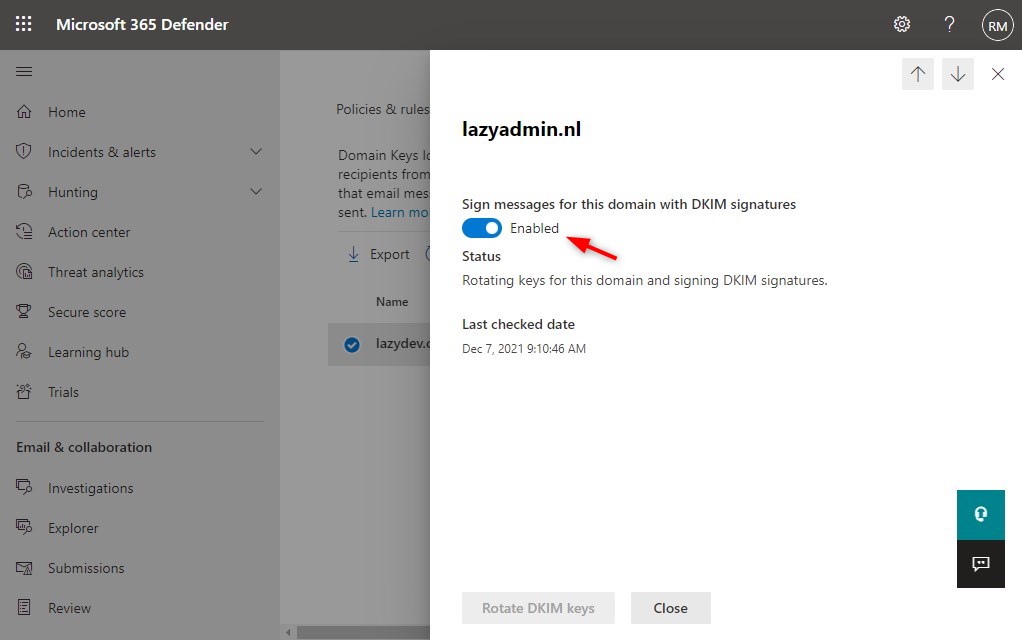
How to Configure DKIM for Office 365 — LazyAdmin
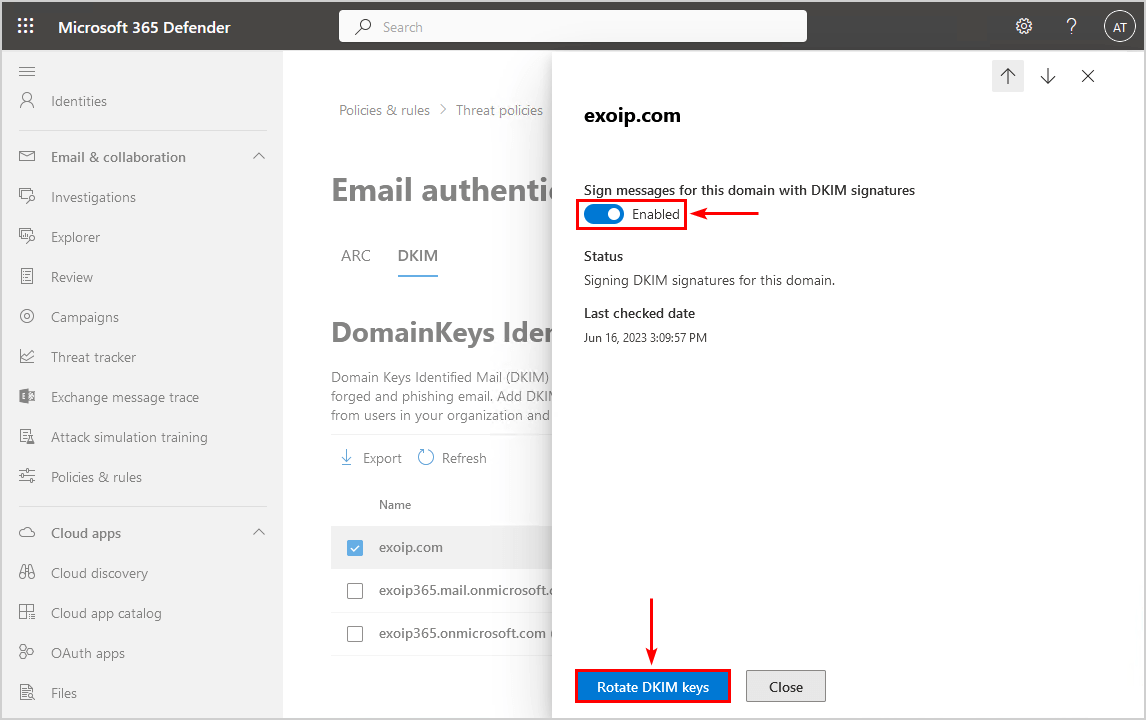
Configure DKIM record for Office 365 ALI TAJRAN
How to Set Up DKIM for Microsoft 365 — Email Industries
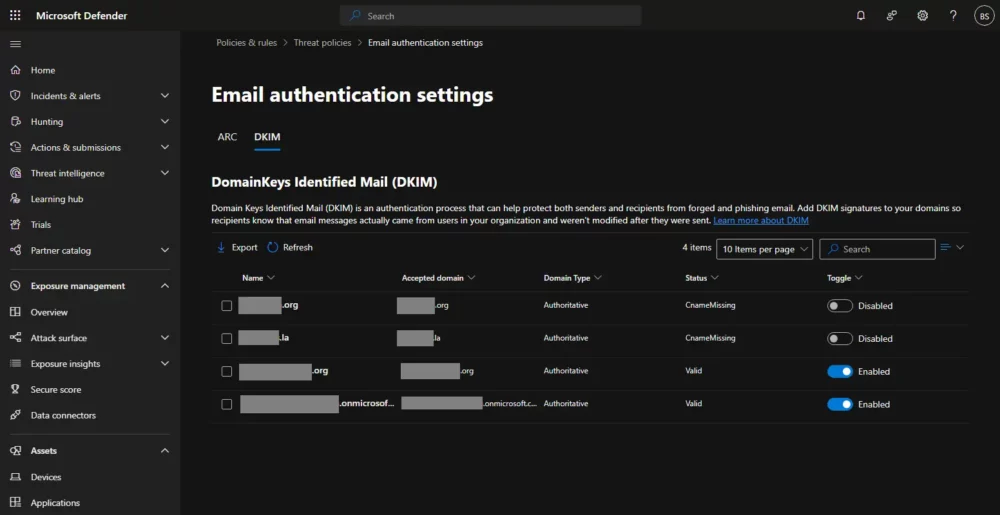
Enable DKIM for Microsoft 365 Email to Prevent Spoofing and Improve
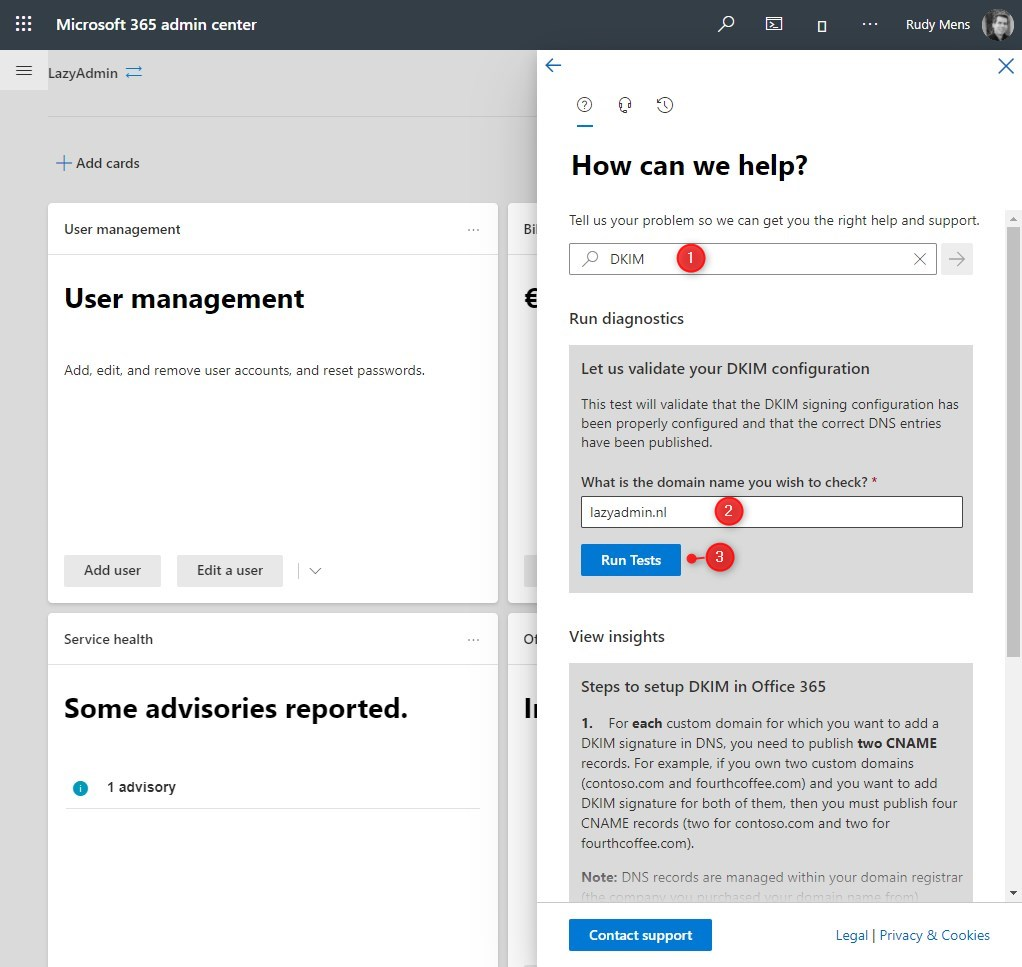
How to Configure DKIM for Office 365 — LazyAdmin
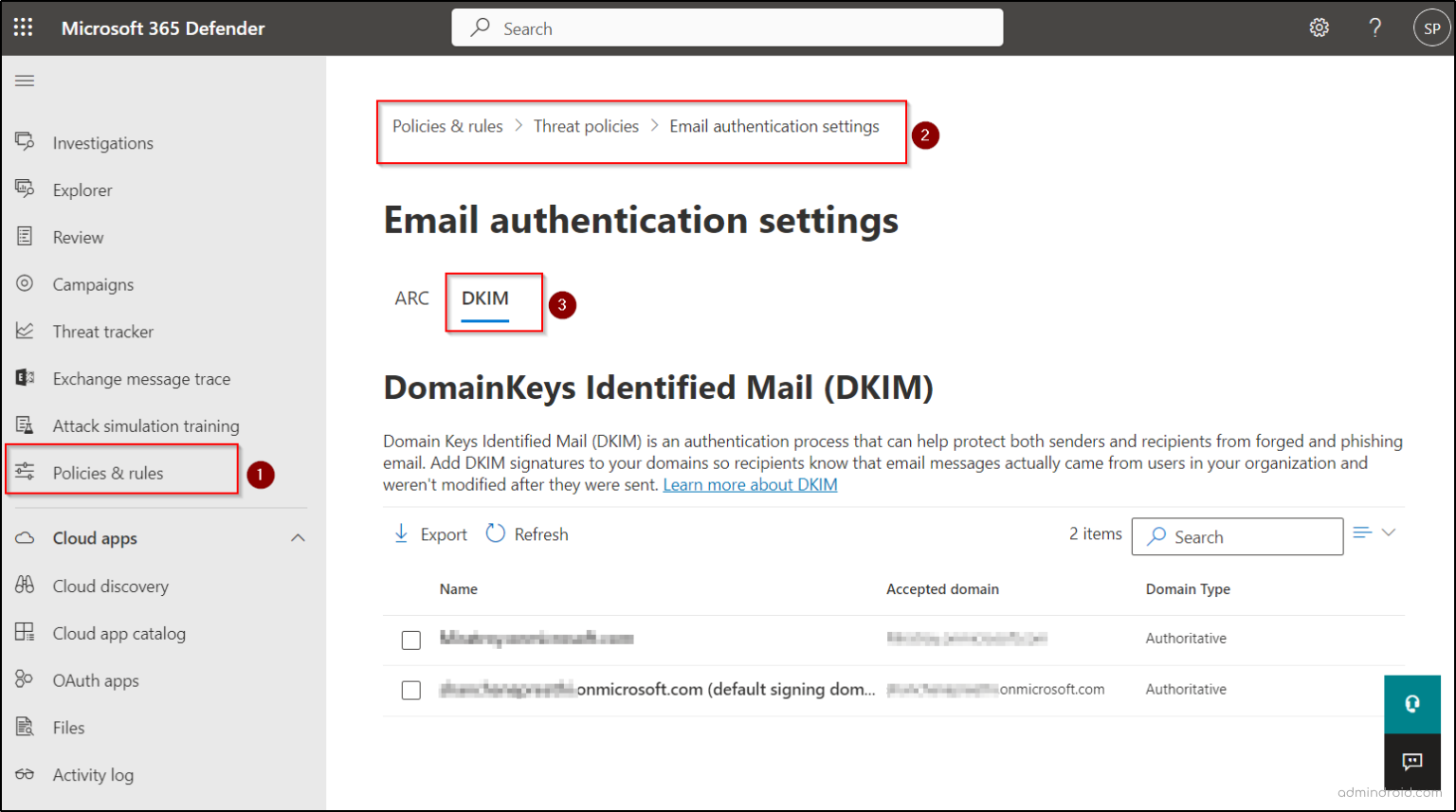
How to Enable DKIM in Microsoft 365?

How to Set Up a DKIM Record for Office 365 StepbyStep

StepbyStep Guide to Set Up DKIM for Microsoft Office 365 YouTube
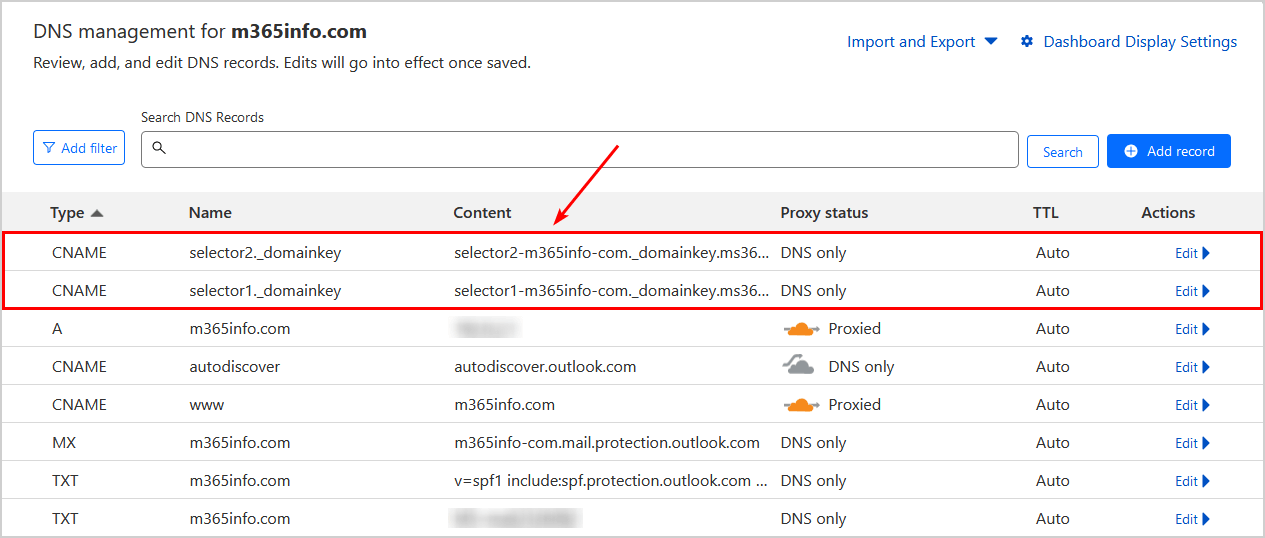
Configure DKIM record for Microsoft 365 o365info
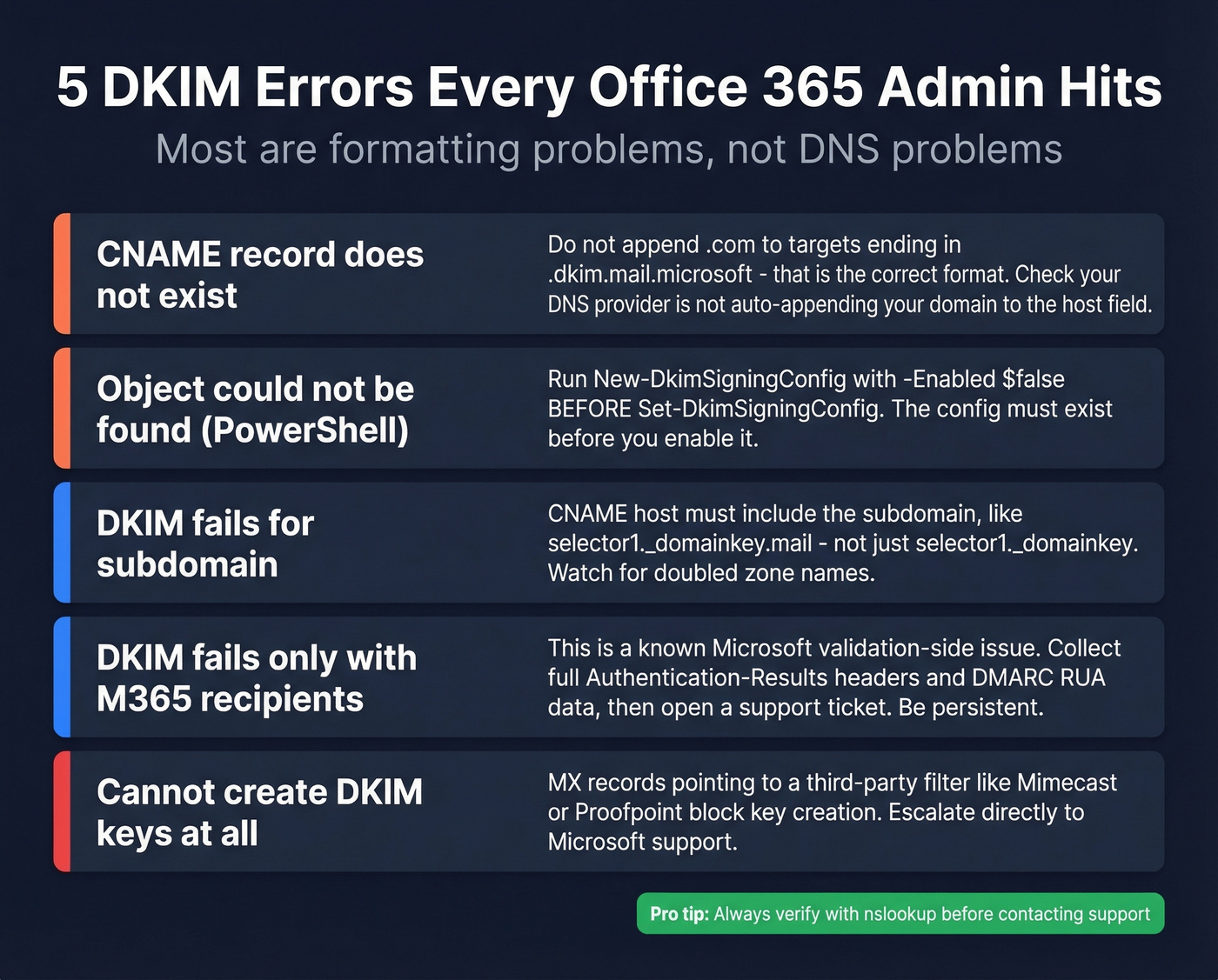
DKIM Office 365 Setup, Verify & Fix Errors (2026)
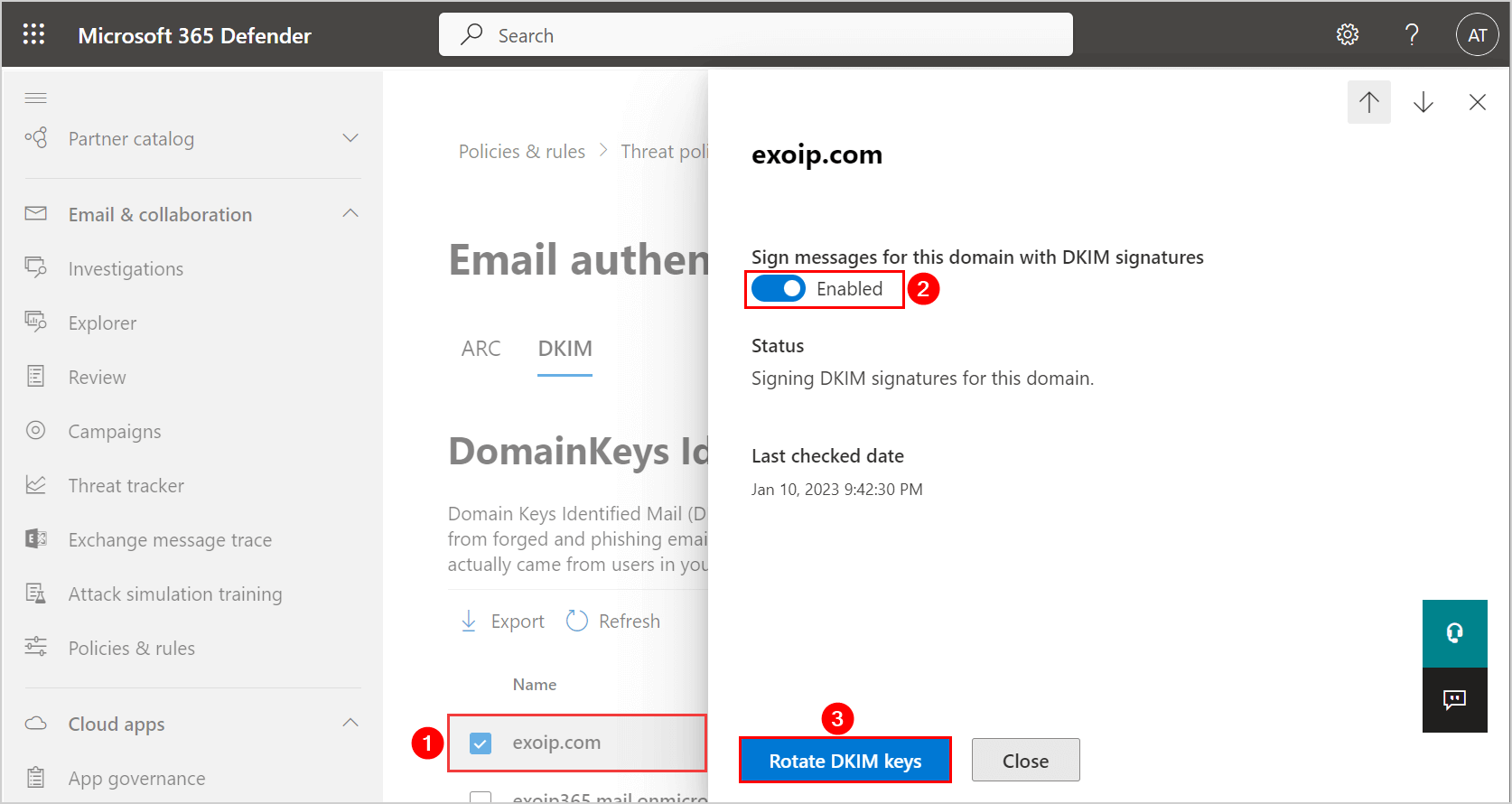
Rotate DKIM keys in Microsoft 365 o365info
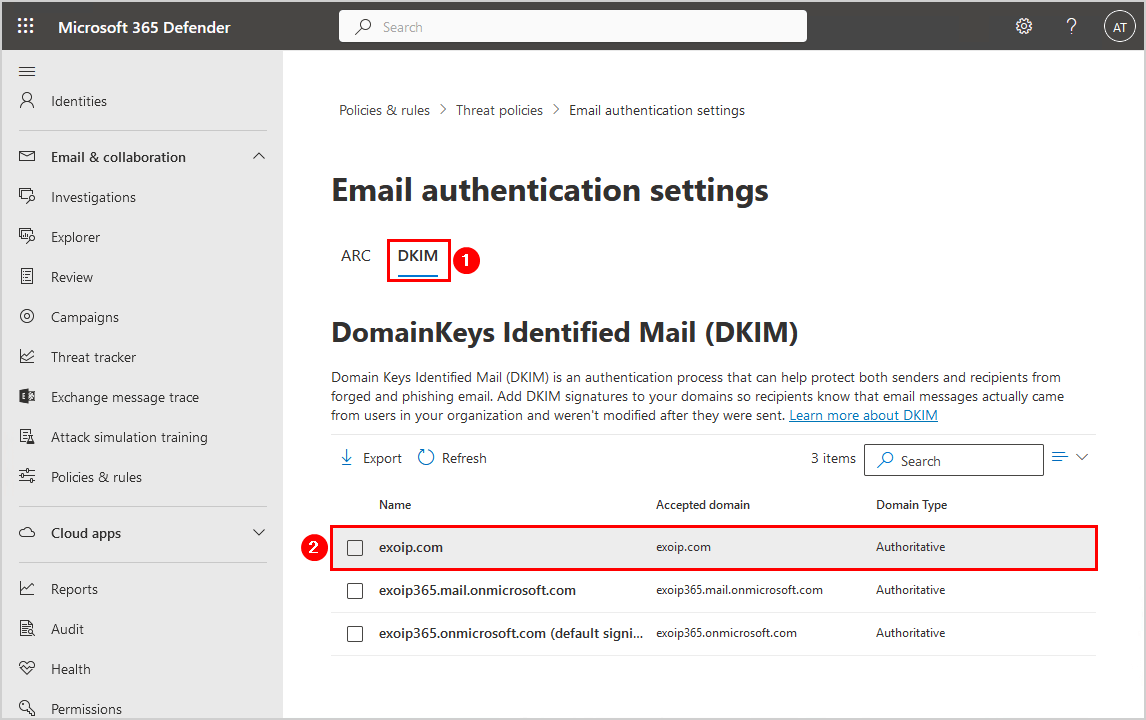
Configure DKIM record for Office 365 ALI TAJRAN
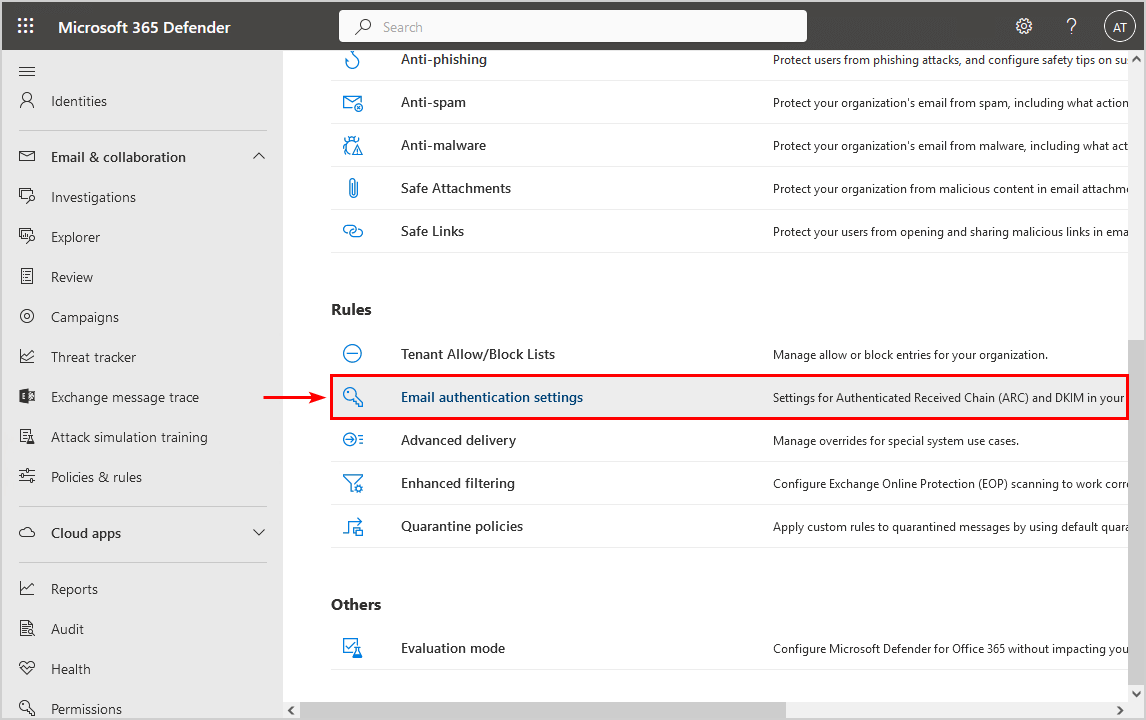
Configure DKIM record for Office 365 ALI TAJRAN
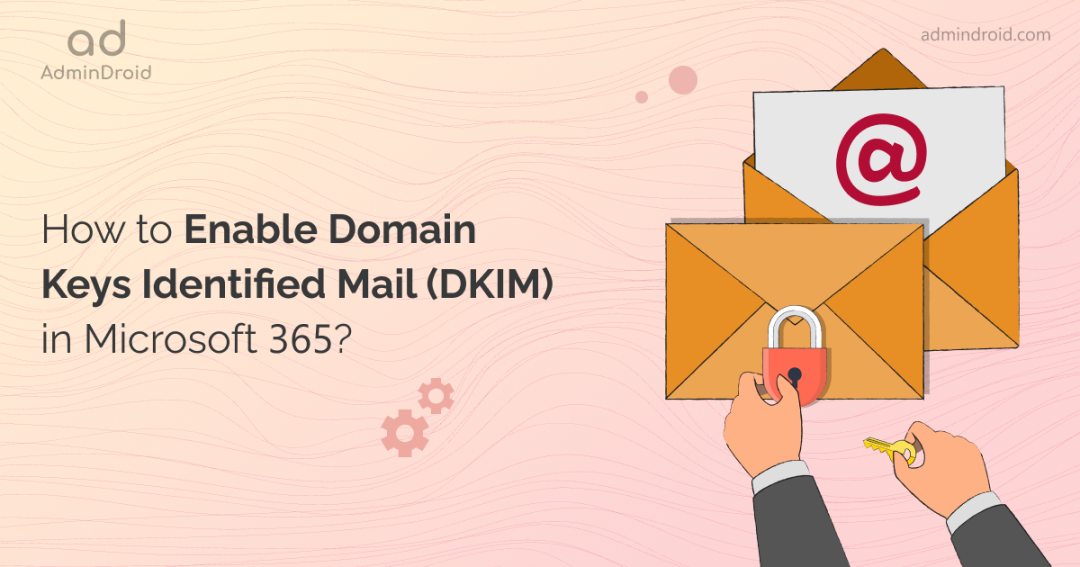
How to Enable DKIM in Microsoft 365? AdminDroid Blog

How to Configure DKIM in Microsoft 365 / Office 365 YouTube
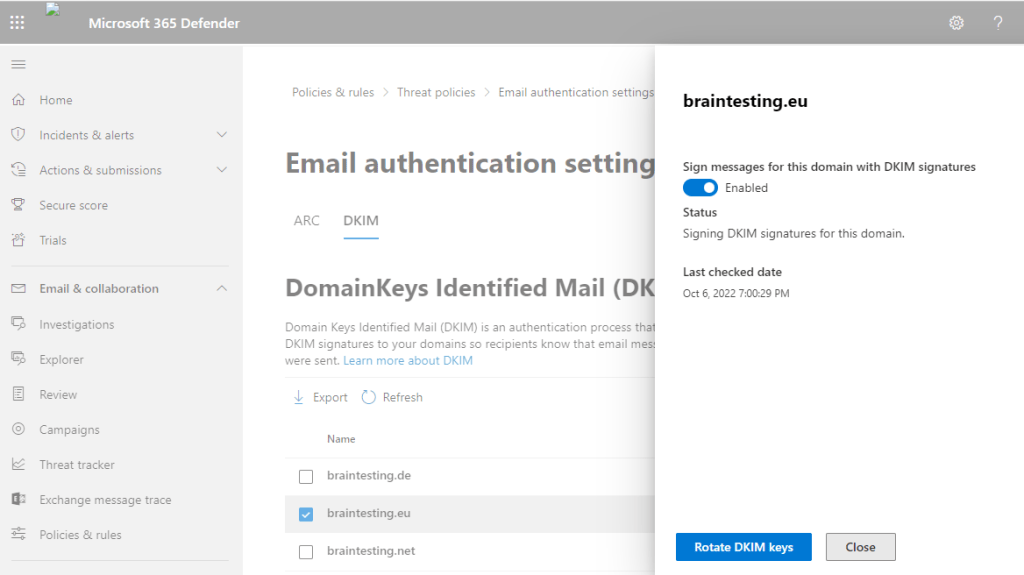
Set up DomainKeys Identified Mail (DKIM) for Exchange Online
Dkim Attaches A New Domain Name Identifier To A Message And Uses Cryptographic Techniques To Validate Authorization For Its Presence.
The Sending Server Signs Each Message With A Private Key, And Publishes The Matching Public Key In Dns.
These Three Authentication Methods Are Important For Preventing.
Related Post: